Botong Sikdang
普通食堂
2023
#72

项目:普通食堂
地址:成都市锦江区大业路6号 COSMO 一层1012
类型:室内设计
面积:127㎡
状态:已完工
Project: Botong Sikdang
Location: COSMO, 6 Daye Road, Jinjiang District, Chengdu
Type: Interior Design
Area: 127㎡
Status: Completed
普通食堂作为倍乐旗下专注韩国八十年代传统冷三肉的专门店,用韩国料理中令人怀念的奶奶家的味道来传递日常的餐食与温暖的烤肉料理。继上海、深圳之后,普通食堂成都首店的设计延续了家庭味道与家庭料理的概念,我们用白瓷砖、木材与漆面等最为普通的家装材料,营造普通食堂的普通之美。
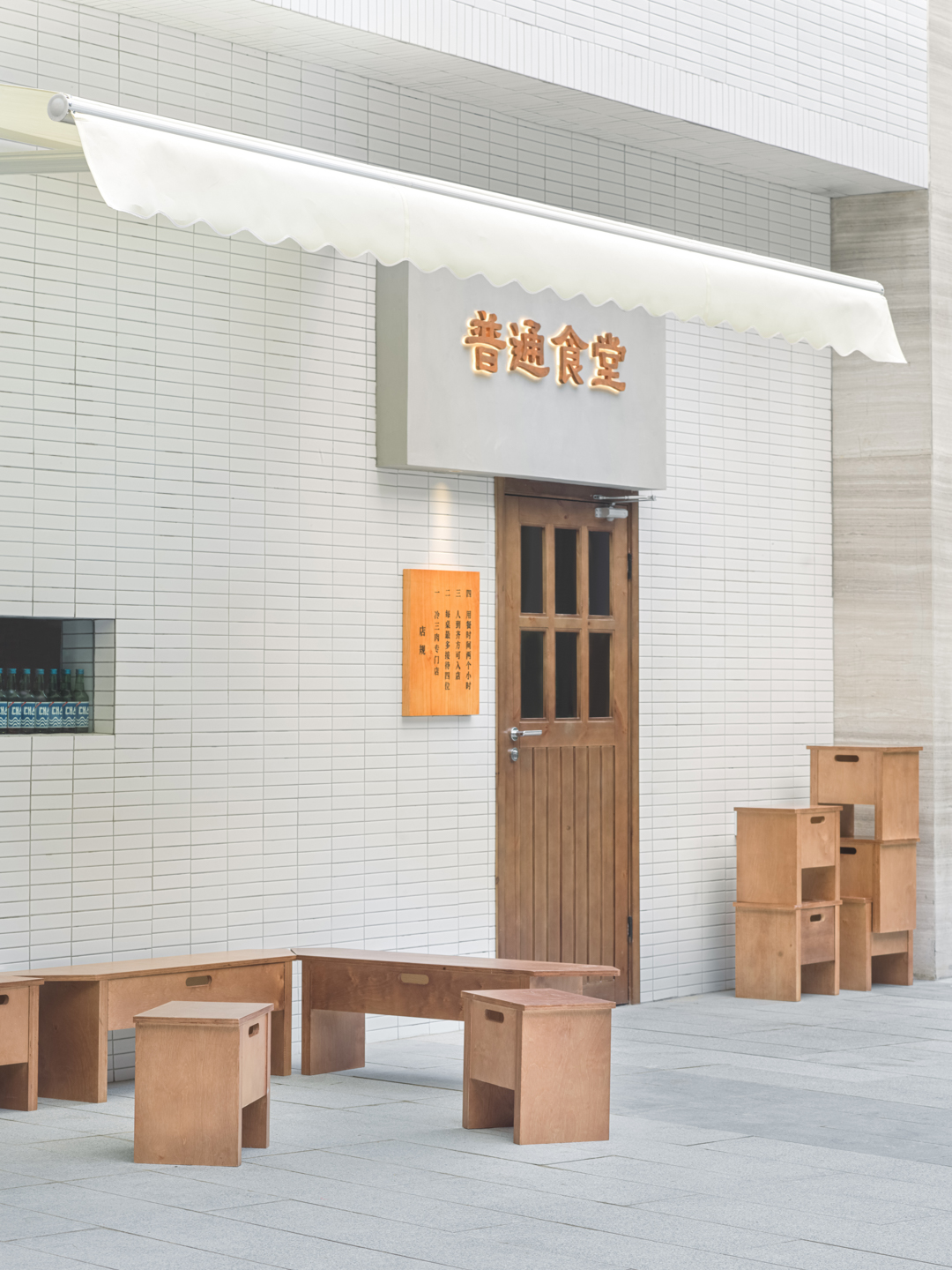
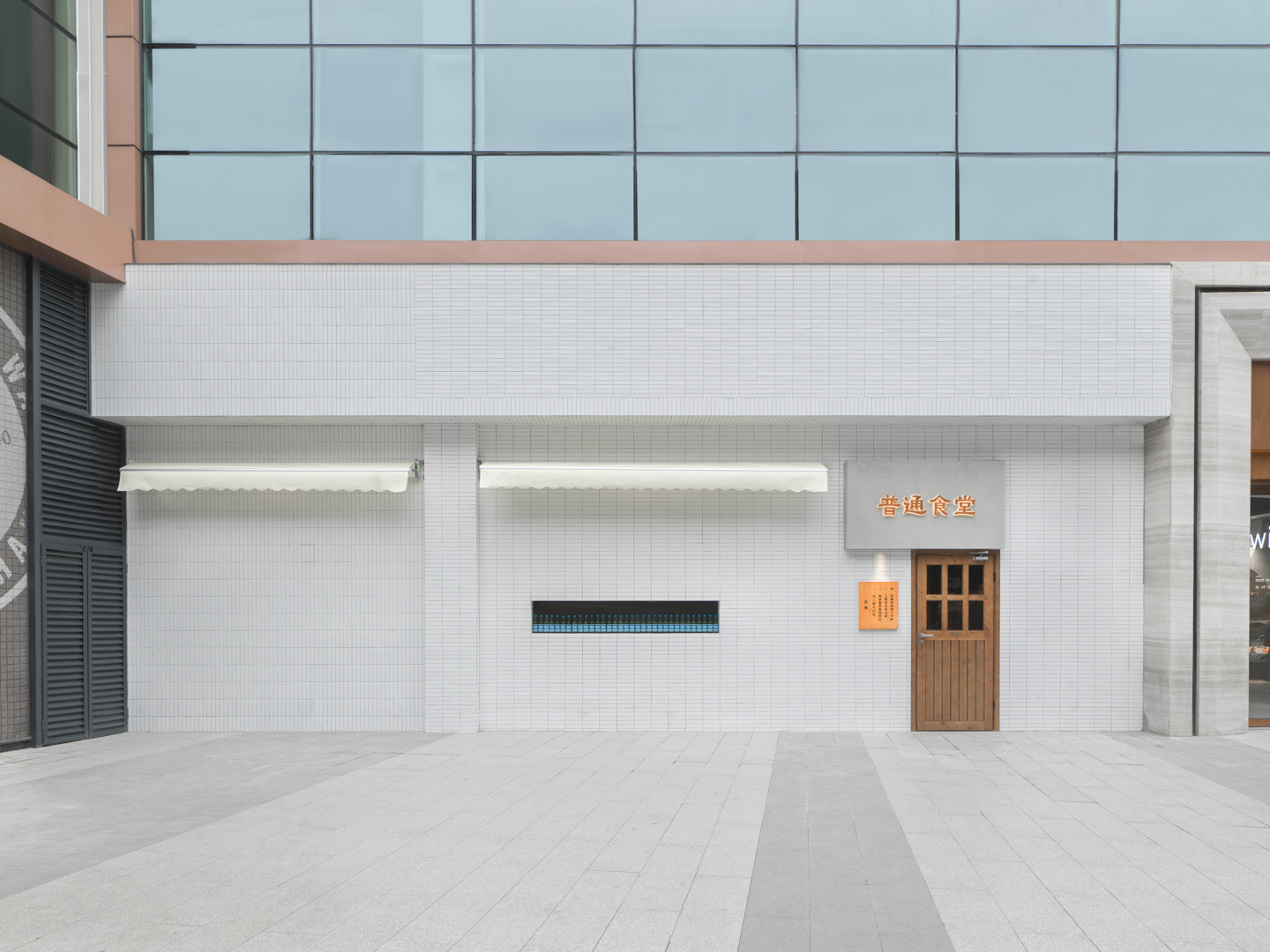
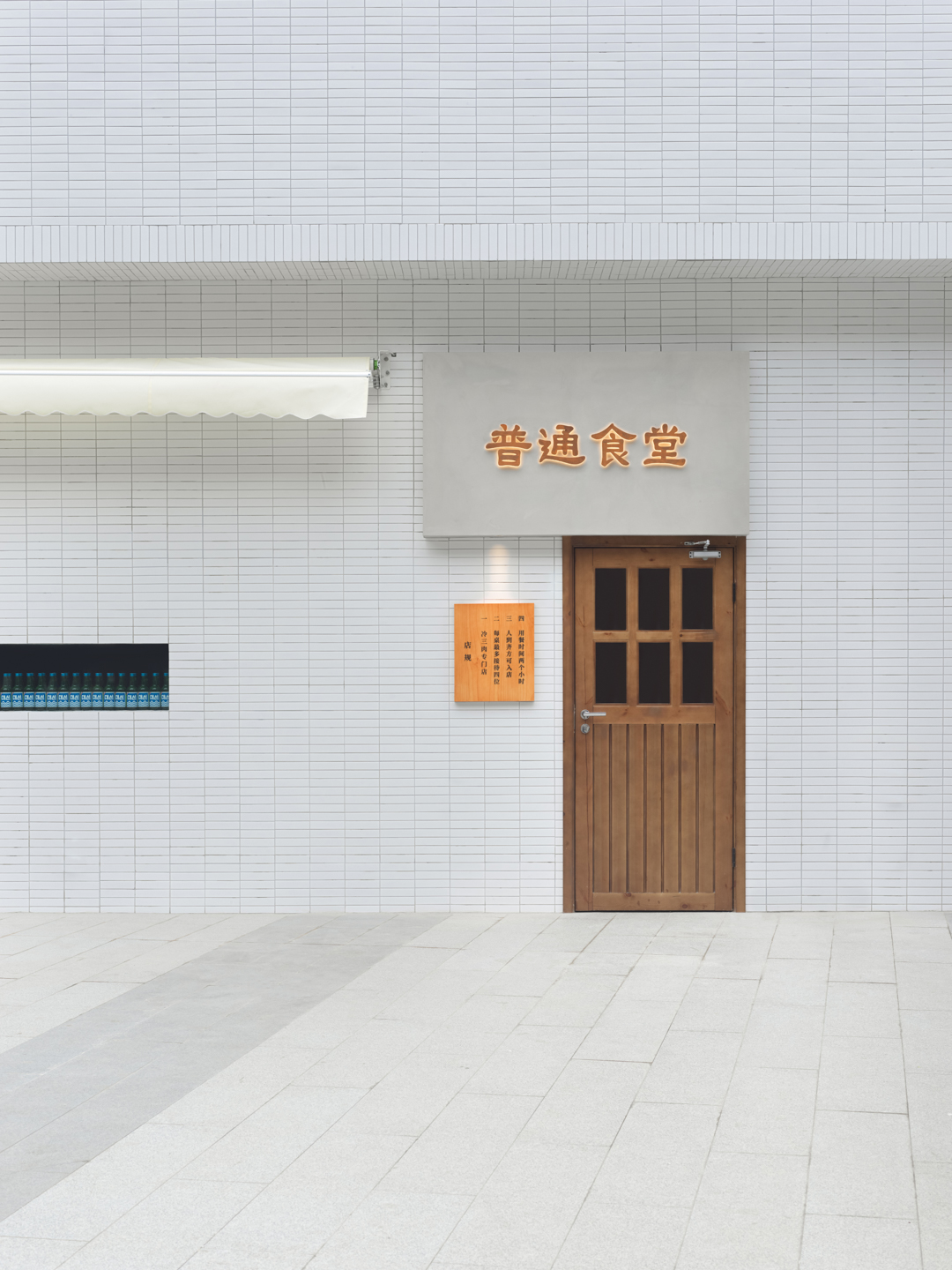
外立面延续了品牌小白砖作为整个立面的元素,用最常见易得的材料来凸显普通的外表下不普通的日常美味。我们在大面积平铺的白瓷砖外立面增添了屋檐和雨棚的设计,让立面更加有层次与变化。小开窗的设计为室内开设了一道悬念,隐蔽室内的同时,让室外留有神秘感。
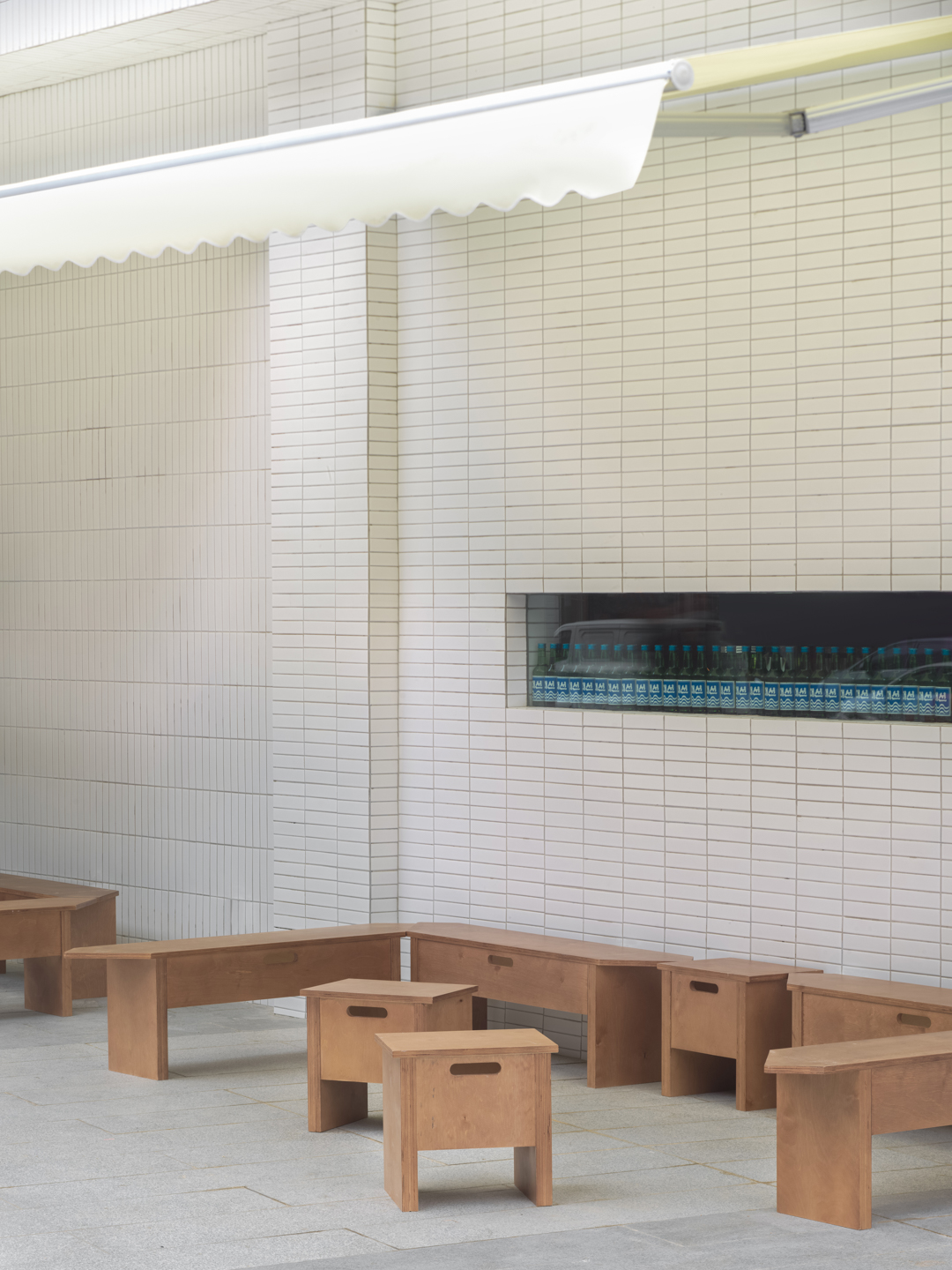
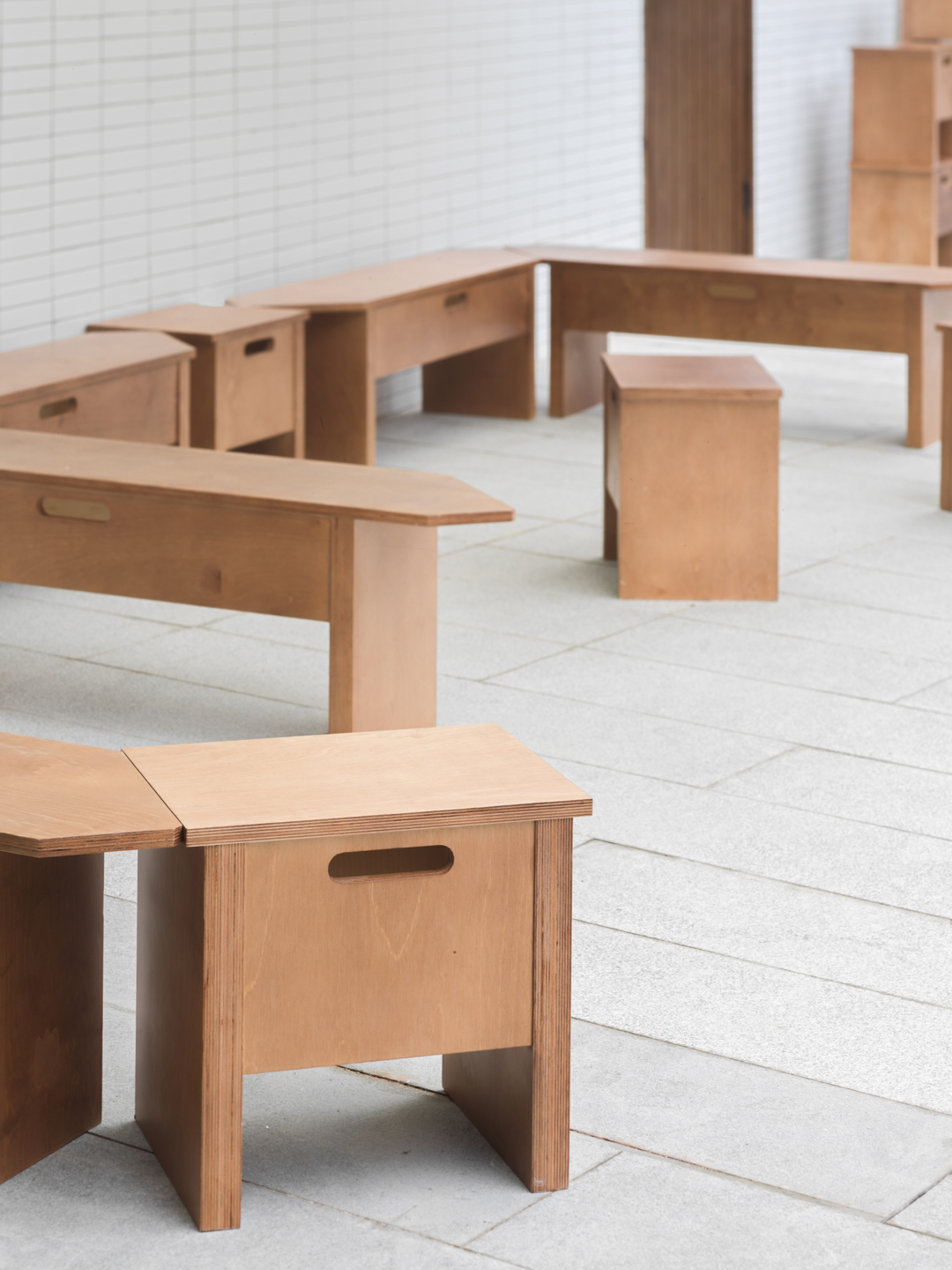
餐厅户外等位区模块化、可拼接的椅凳组合,是我们在成都街头传统条凳和独凳的原型之上,尝试的一次设计更新。温暖的木材与小白瓷砖立面加深了韩国奶奶家的画面感。自由组合的等位区为餐厅客人或是路人提供了一个休憩的空间,舒适而随性。
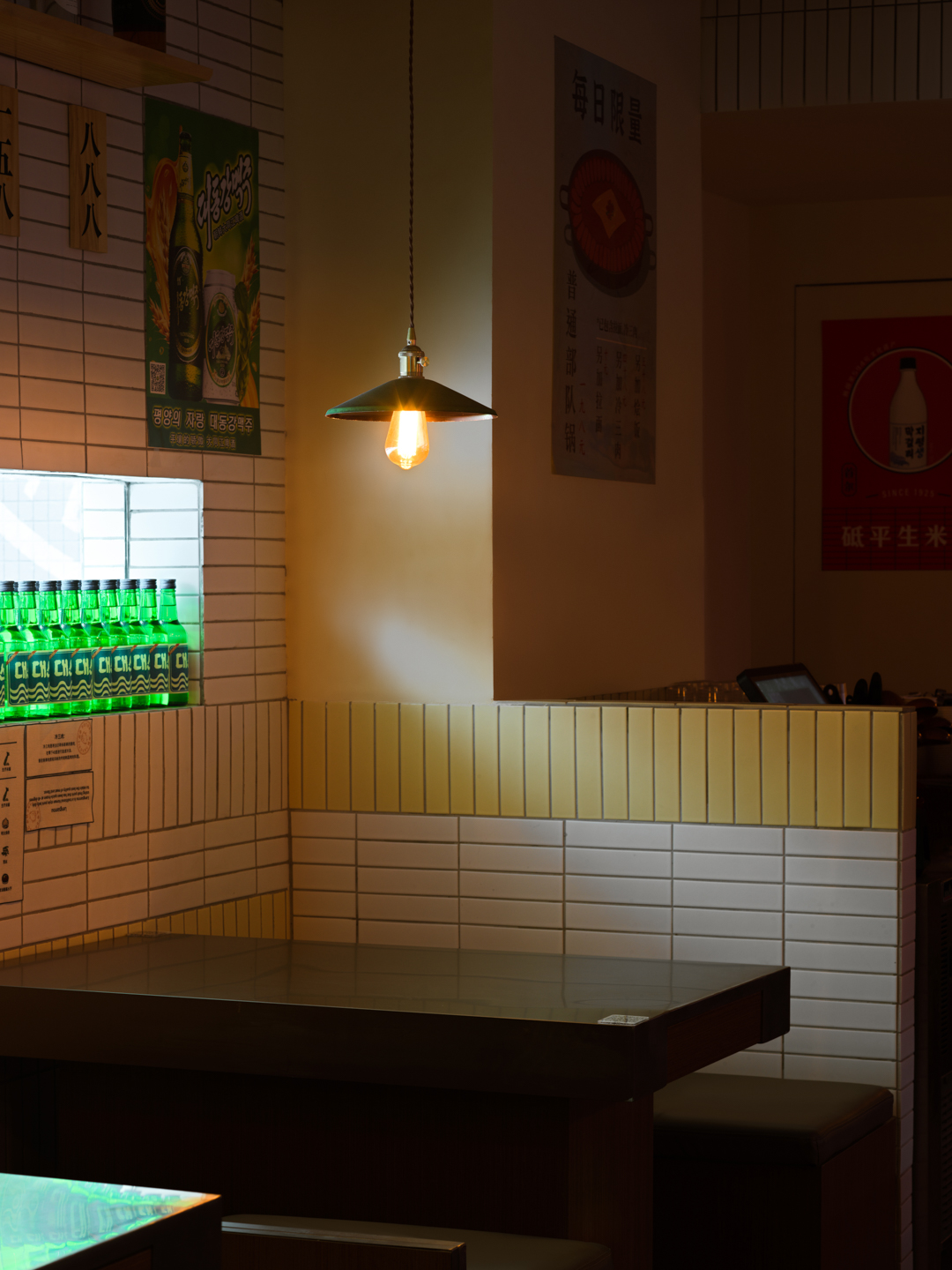
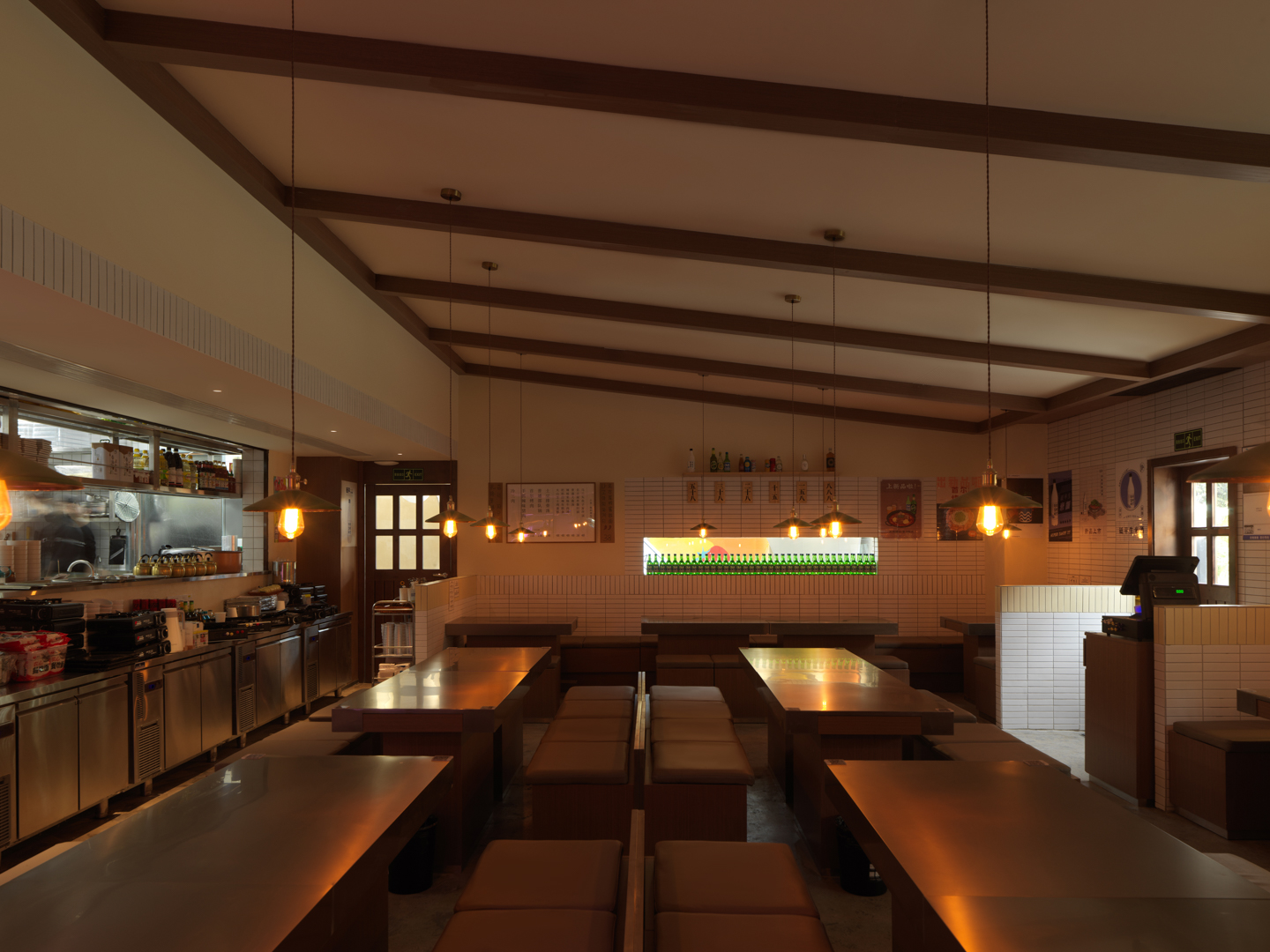
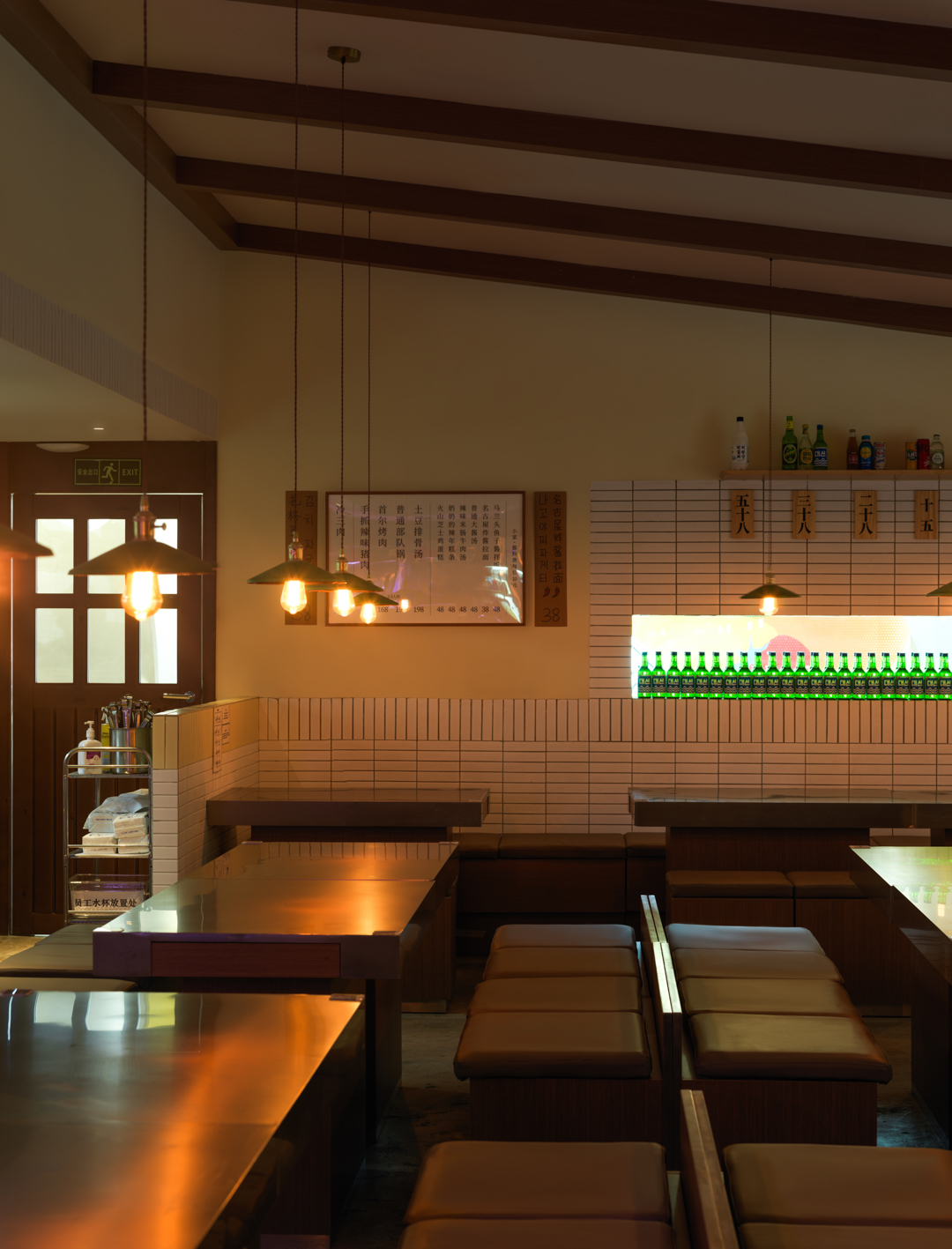
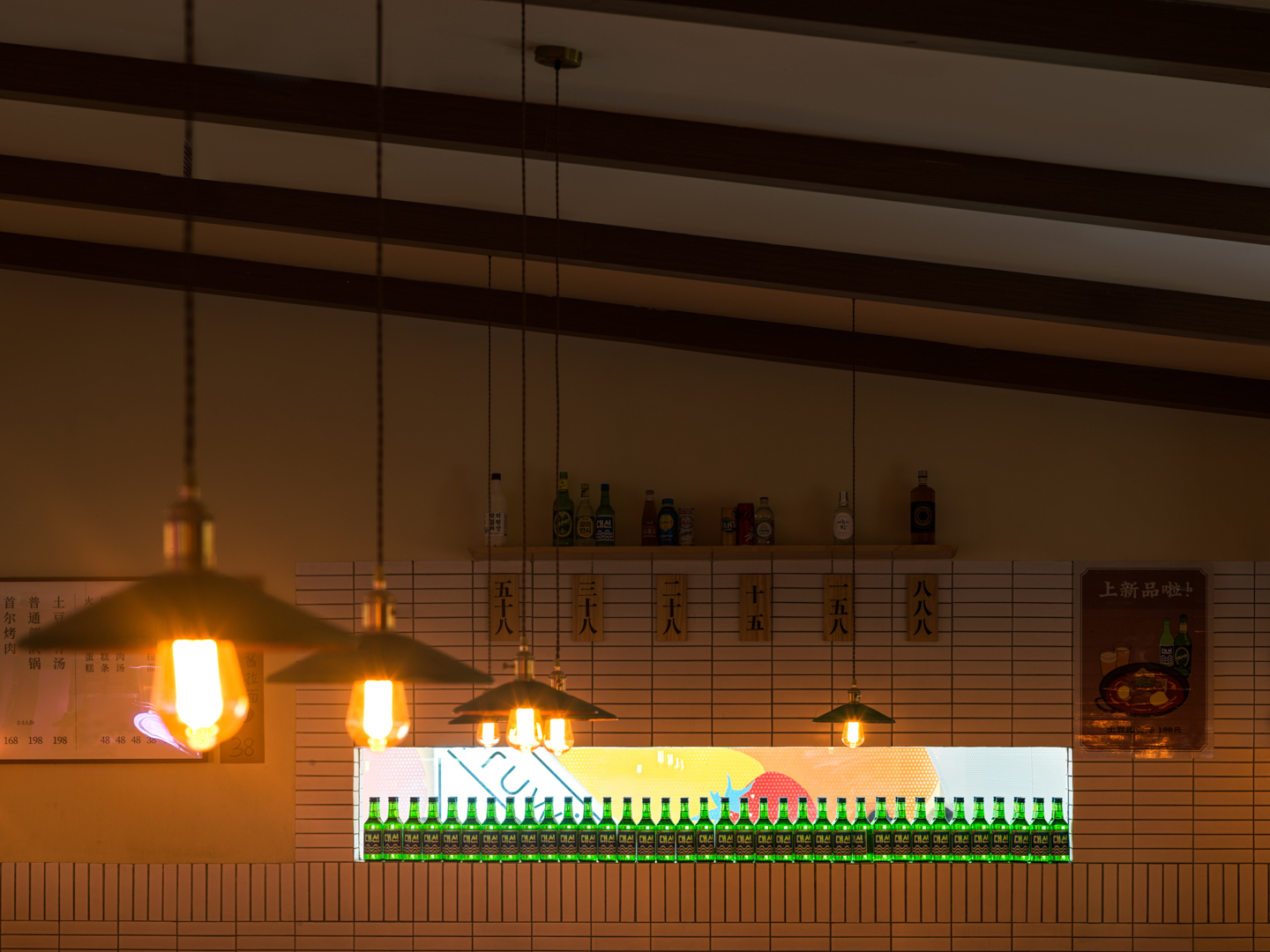
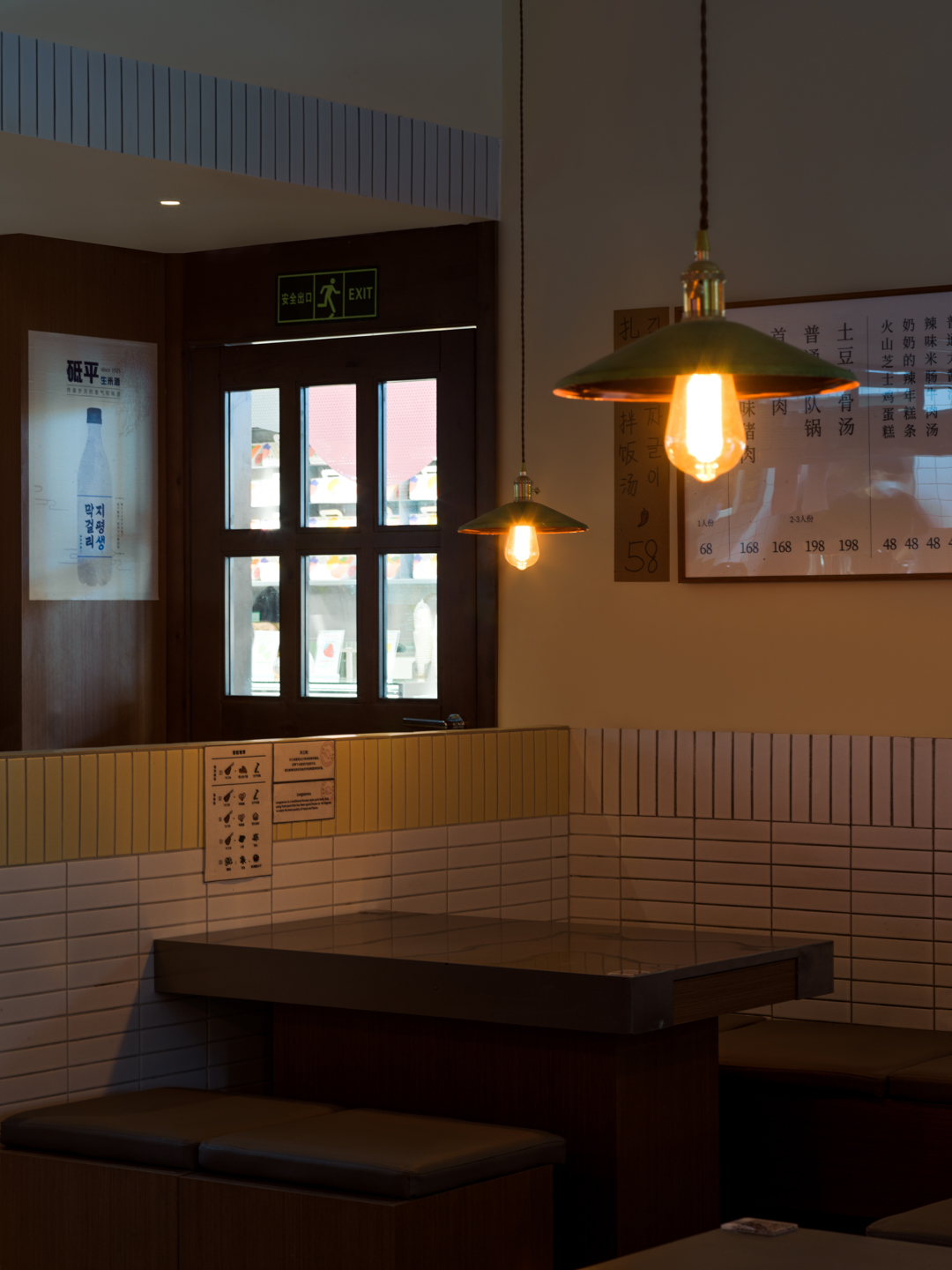
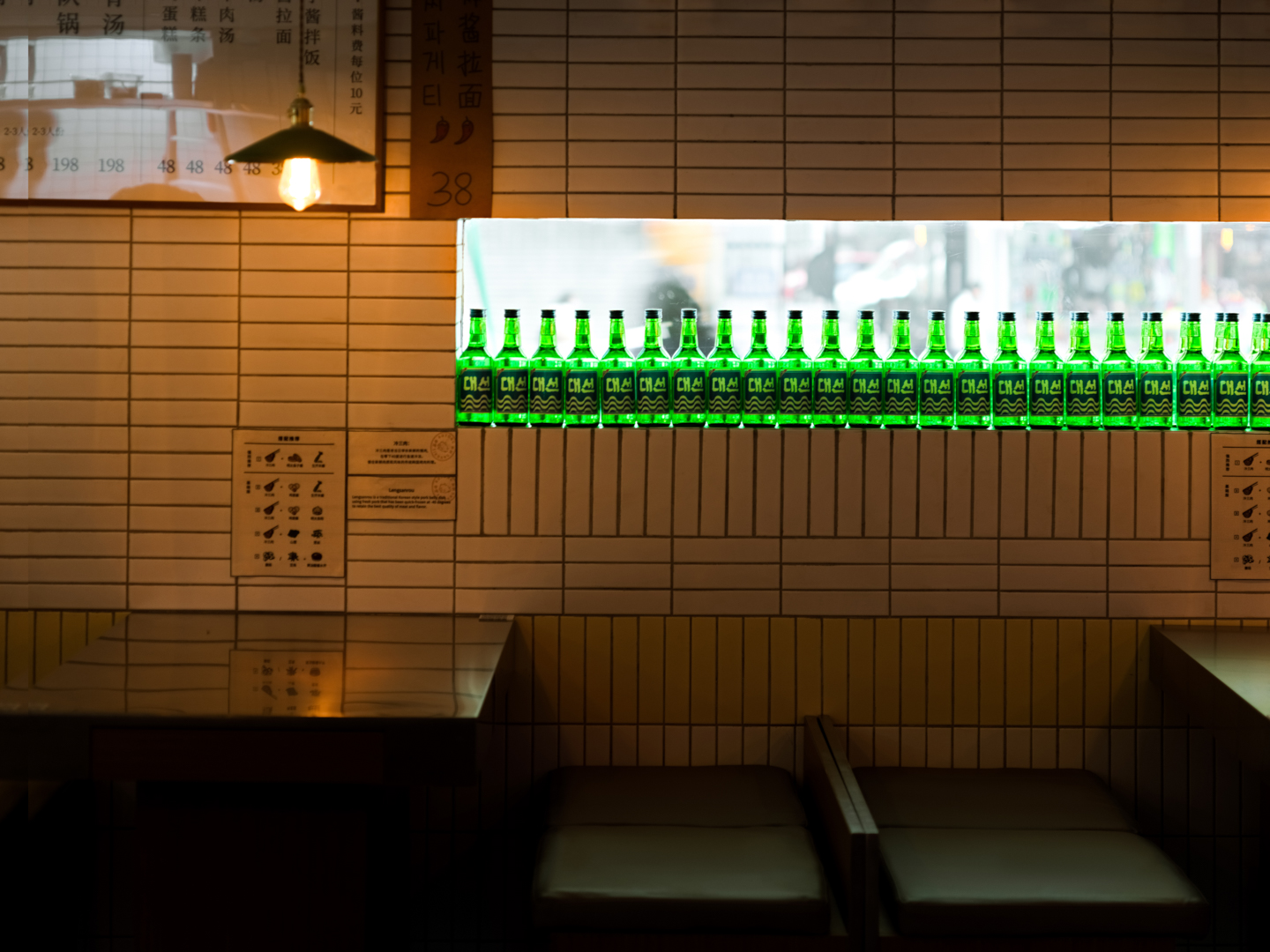
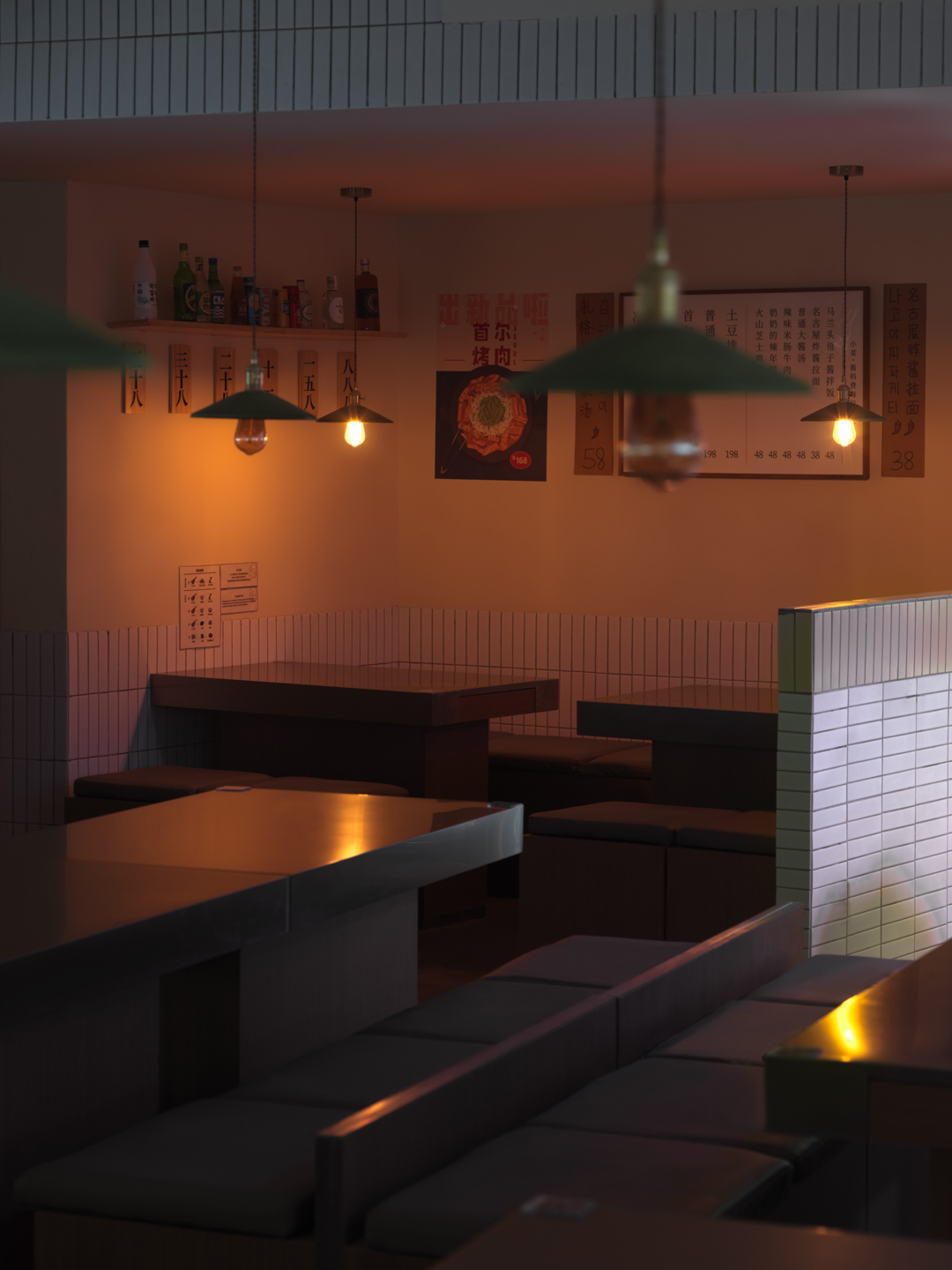
普通食堂内,一灯一桌围坐而食的场景重在营造下班后轻松的氛围,延续了韩国八十年代传统冷三肉专门店的亲切感,简洁而温暖。利用层高的优势,坡屋顶的设计加深了家的意向,夜幕降临后室内多有一种深夜食堂的热闹和温馨。
外立面延续了品牌小白砖作为整个立面的元素,用最常见易得的材料来凸显普通的外表下不普通的日常美味。我们在大面积平铺的白瓷砖外立面增添了屋檐和雨棚的设计,让立面更加有层次与变化。小开窗的设计为室内开设了一道悬念,隐蔽室内的同时,让室外留有神秘感。
餐厅户外等位区模块化、可拼接的椅凳组合,是我们在成都街头传统条凳和独凳的原型之上,尝试的一次设计更新。温暖的木材与小白瓷砖立面加深了韩国奶奶家的画面感。自由组合的等位区为餐厅客人或是路人提供了一个休憩的空间,舒适而随性。
普通食堂内,一灯一桌围坐而食的场景重在营造下班后轻松的氛围,延续了韩国八十年代传统冷三肉专门店的亲切感,简洁而温暖。利用层高的优势,坡屋顶的设计加深了家的意向,夜幕降临后室内多有一种深夜食堂的热闹和温馨。
Botong Sikdang is a restaurant brand under Belloco Group, specializing in the traditional Korean *naeng samgyeopsal* dining culture of the 1980s. Inspired by the nostalgic feeling of a grandmother’s home cooking, the restaurant aims to convey warmth through simple everyday meals and comforting barbecue dishes. Following the restaurants in Shanghai and Shenzhen, the Chengdu branch continues the idea of home-style cooking. Ordinary residential materials—white ceramic tiles, timber, and painted surfaces—are used to express the quiet beauty of the everyday.
The façade continues the brand’s use of small white tiles as its primary architectural element. By relying on common, easily available materials, the design emphasizes how something visually simple can still contain rich everyday flavors. A roof eave and canopy are introduced to the tiled façade, adding depth and variation. Small windows create a sense of curiosity, concealing the interior while maintaining a subtle sense of mystery from the outside.
The outdoor waiting area features modular, combinable stools derived from the traditional street benches commonly found in Chengdu. Warm timber paired with the white-tiled façade reinforces the imagery of a Korean grandmother’s home. The flexible seating arrangement provides a casual resting place for guests and passersby alike.
Inside the restaurant, the scene of diners gathered around a single lamp and table aims to evoke a relaxed after-work atmosphere. The space continues the warmth and intimacy of traditional Korean barbecue shops from the 1980s. Taking advantage of the generous ceiling height, a pitched roof form is introduced to strengthen the domestic feeling. As night falls, the interior atmosphere becomes lively and warm, reminiscent of a late-night canteen.
The façade continues the brand’s use of small white tiles as its primary architectural element. By relying on common, easily available materials, the design emphasizes how something visually simple can still contain rich everyday flavors. A roof eave and canopy are introduced to the tiled façade, adding depth and variation. Small windows create a sense of curiosity, concealing the interior while maintaining a subtle sense of mystery from the outside.
The outdoor waiting area features modular, combinable stools derived from the traditional street benches commonly found in Chengdu. Warm timber paired with the white-tiled façade reinforces the imagery of a Korean grandmother’s home. The flexible seating arrangement provides a casual resting place for guests and passersby alike.
Inside the restaurant, the scene of diners gathered around a single lamp and table aims to evoke a relaxed after-work atmosphere. The space continues the warmth and intimacy of traditional Korean barbecue shops from the 1980s. Taking advantage of the generous ceiling height, a pitched roof form is introduced to strengthen the domestic feeling. As night falls, the interior atmosphere becomes lively and warm, reminiscent of a late-night canteen.