OnLand
席地而作
2025
#116

项目:席地而作
地址:杭州天目里16号楼B1
类型:室内设计
面积:67㎡
年份:2025
摄影:ACT Studio Lihao
Project: Onland
Location: B1F, Building 16, OōEli, Hangzhou
Type: Interior Design
Area: 67㎡
Year: 2025
Photography: ACT Studio Lihao
街头给我们带来的灵感总是很多,
摊贩、修车铺、快递点、广告店,他们用梯子、轮子、扎带,几分钟就能把问题解决。
我们把这些长期的街头观察变成了一个研究项目,我们叫它走向街头。我们走到大街小巷,走进摊位,去记录他们自己动手造出来的物件,用年份编码给这些街头发现进行归档。
这些东西不“美”,但都充满民间智慧,简单粗暴、成本极低,但在我们街头项目的采访中,常常让这些老百姓都感到疑惑的是:“这算是设计吗?”
于是当我们要在杭州天目里做一家民艺商店的时候,我们没有去设计一整套整齐划一的陈列系统,而是把这些街头办法当作一种设计的语言。席地而作是一家民艺商店,你可以把它理解成是一间有许多民艺手作的杂货铺,我们想,如果这些东西本来就来自民间、来自手作、来自街头,那它们的“家”,也不该是个看上去“装潢得很高级”的空间。它更应该像一个工坊,一个市集,一个摊位。
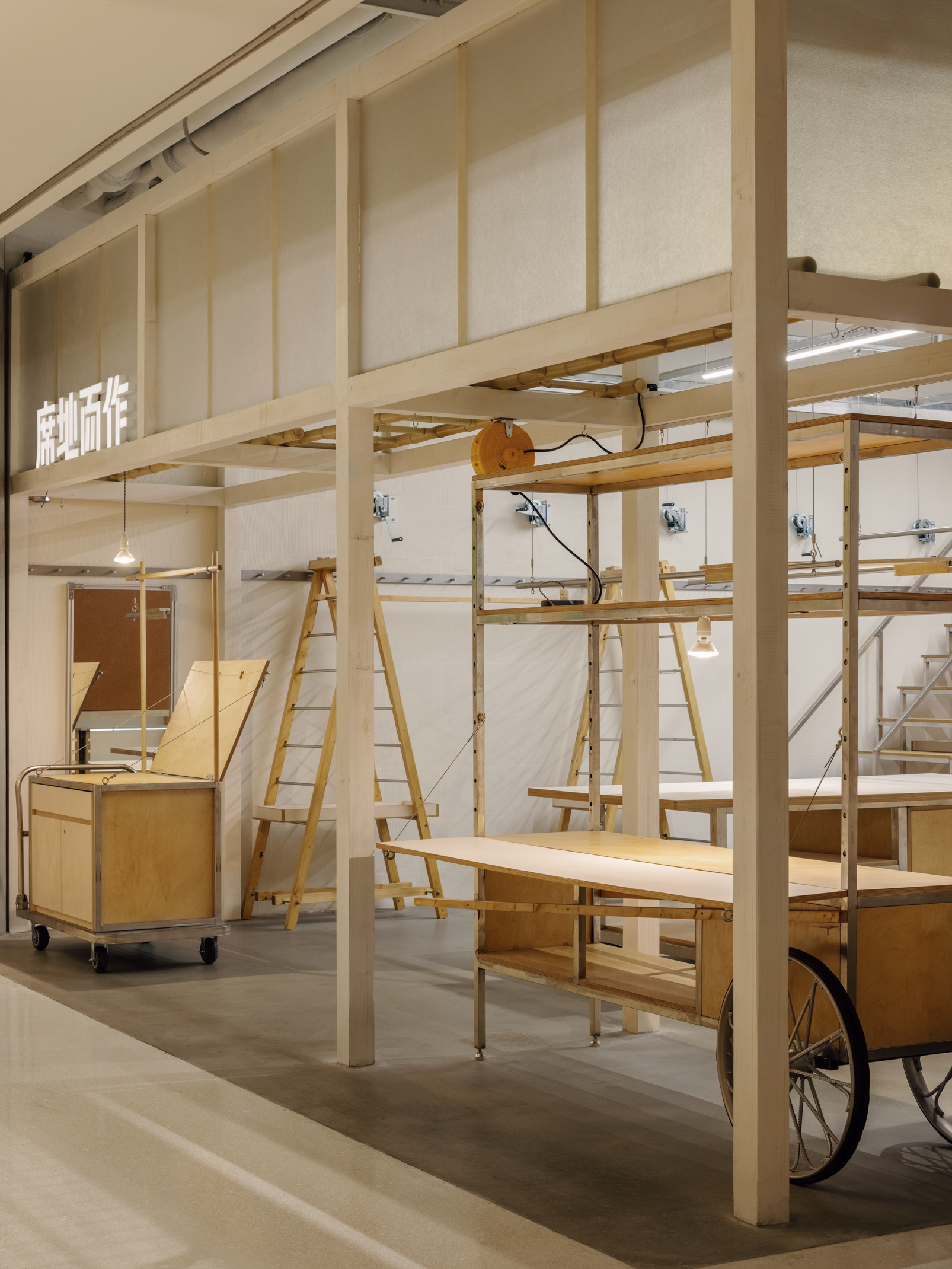
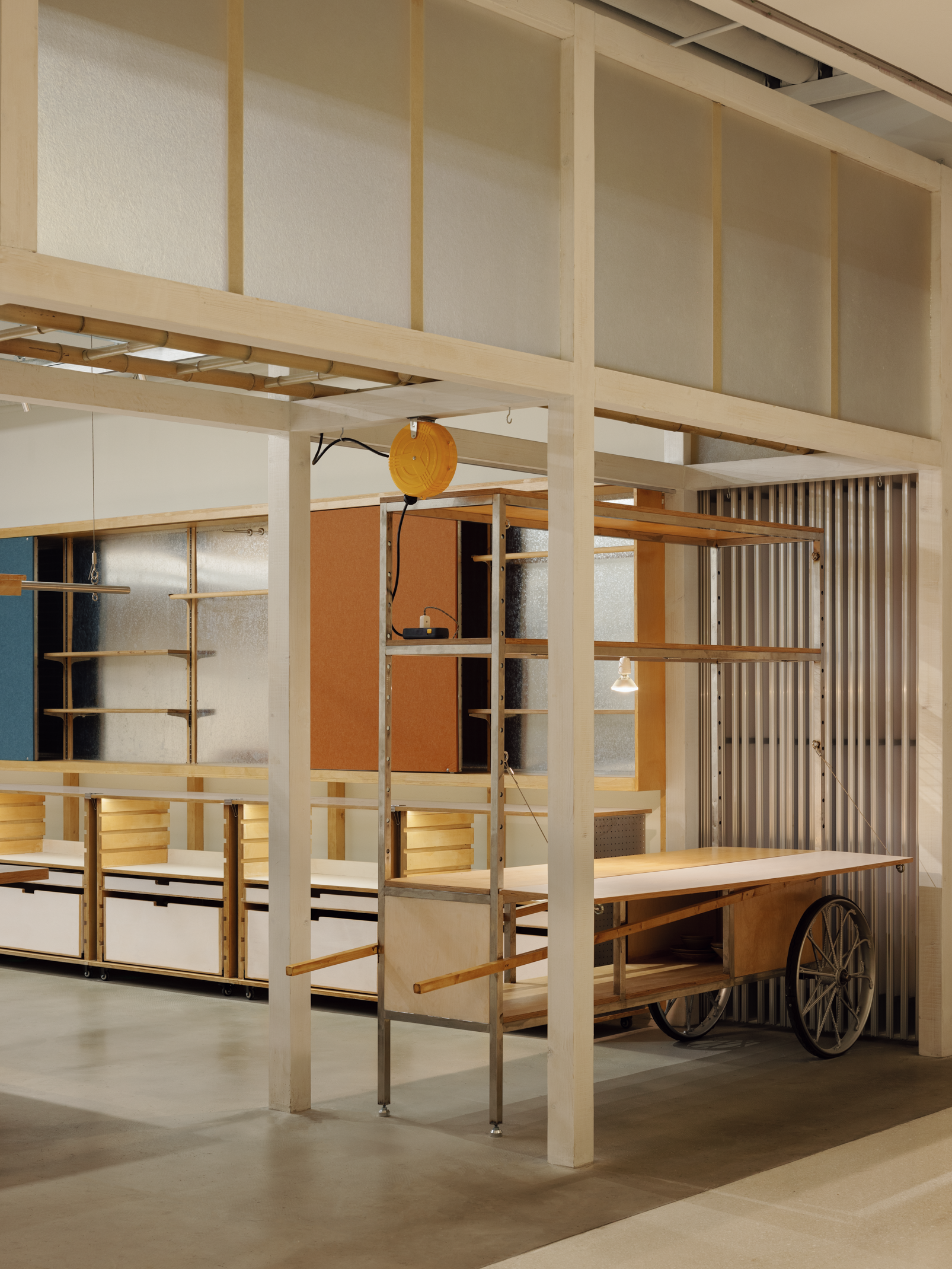
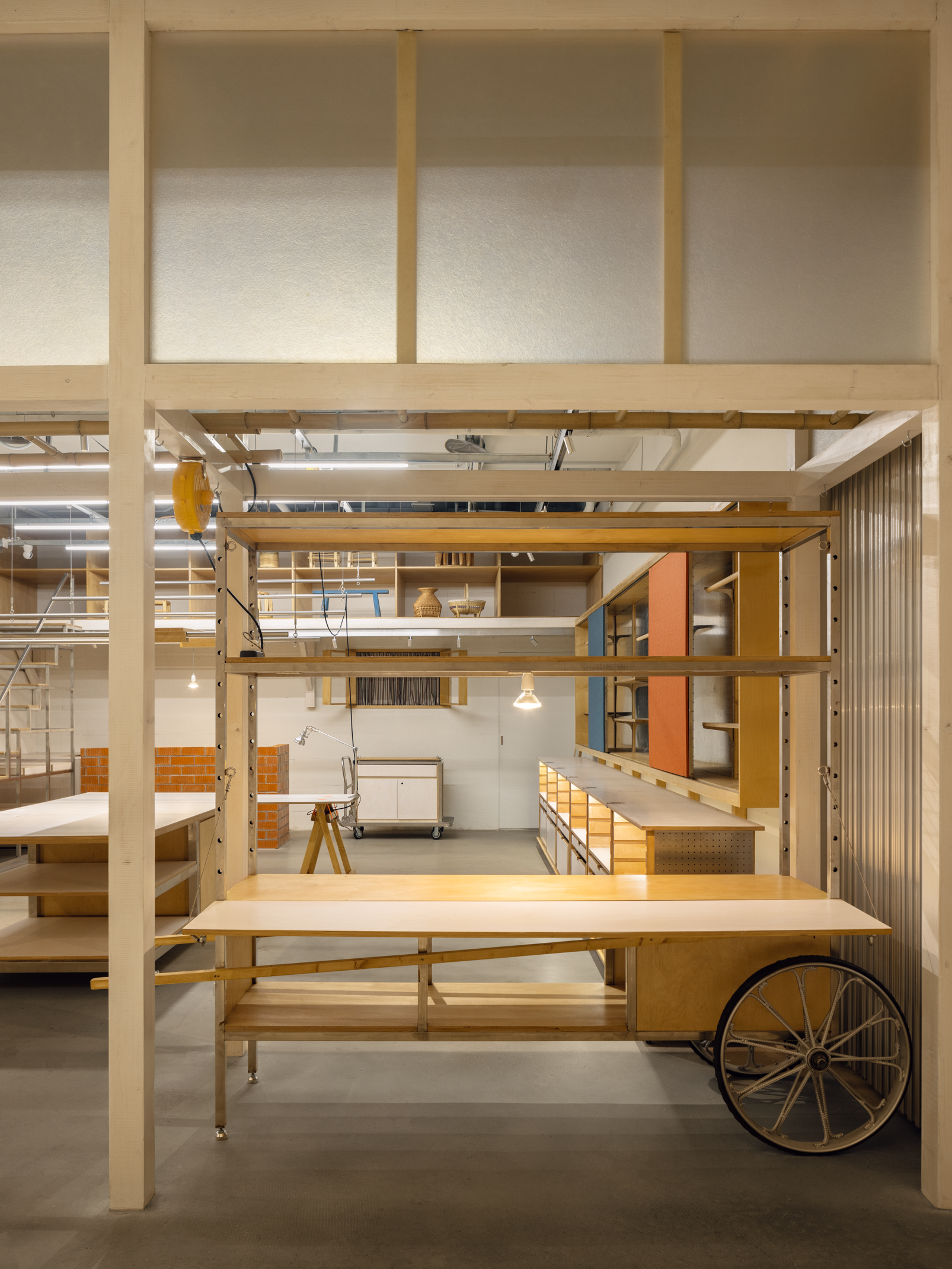
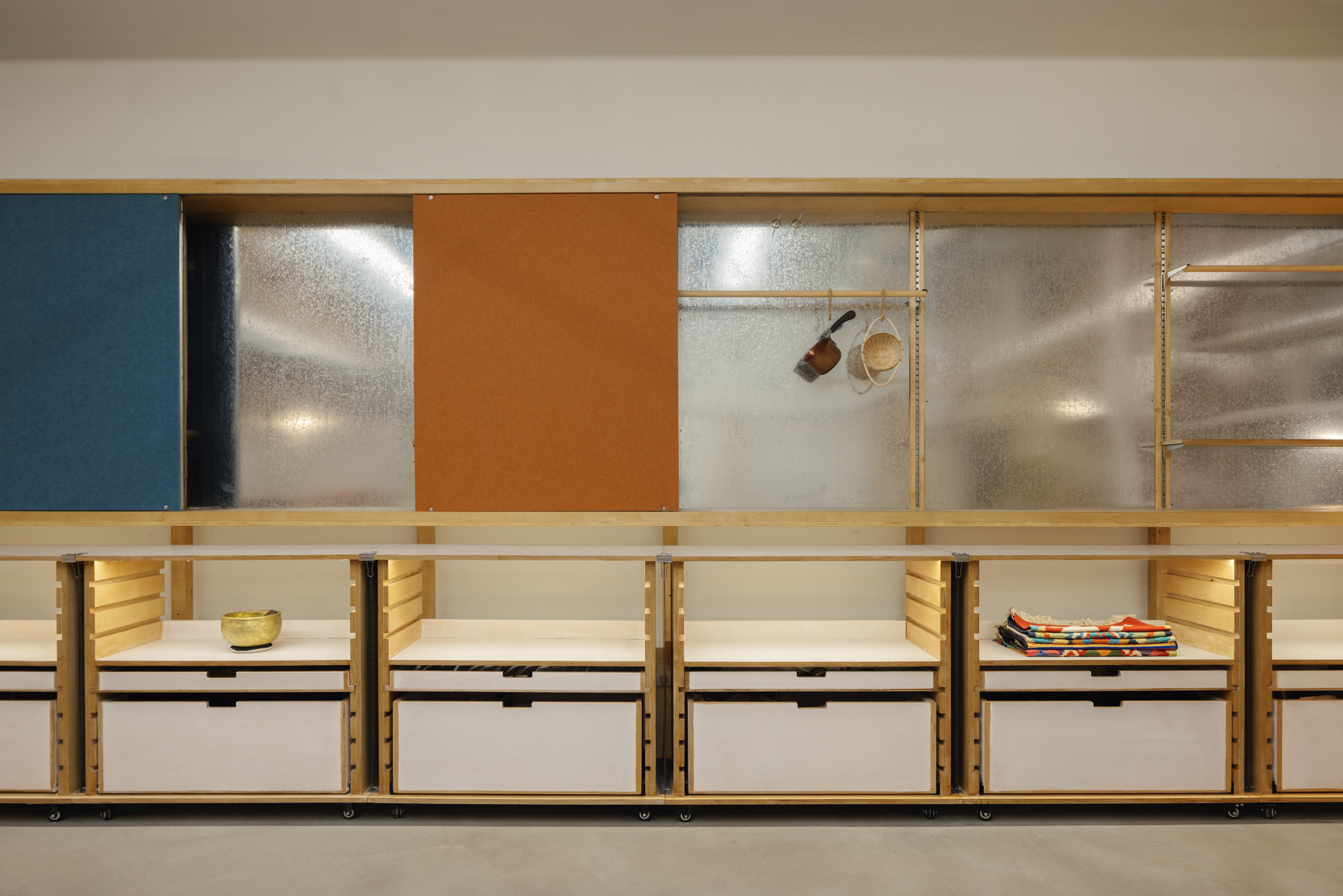
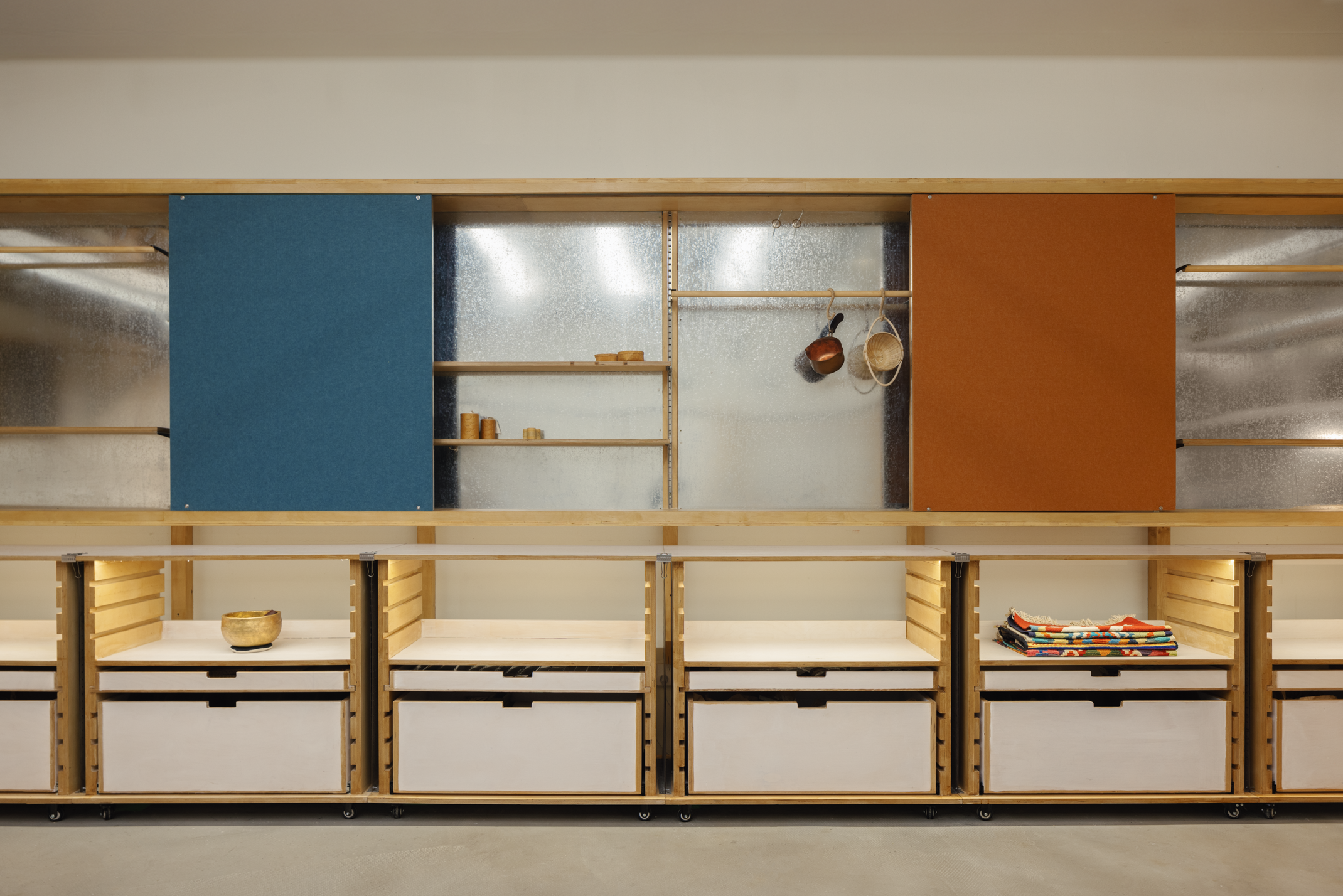
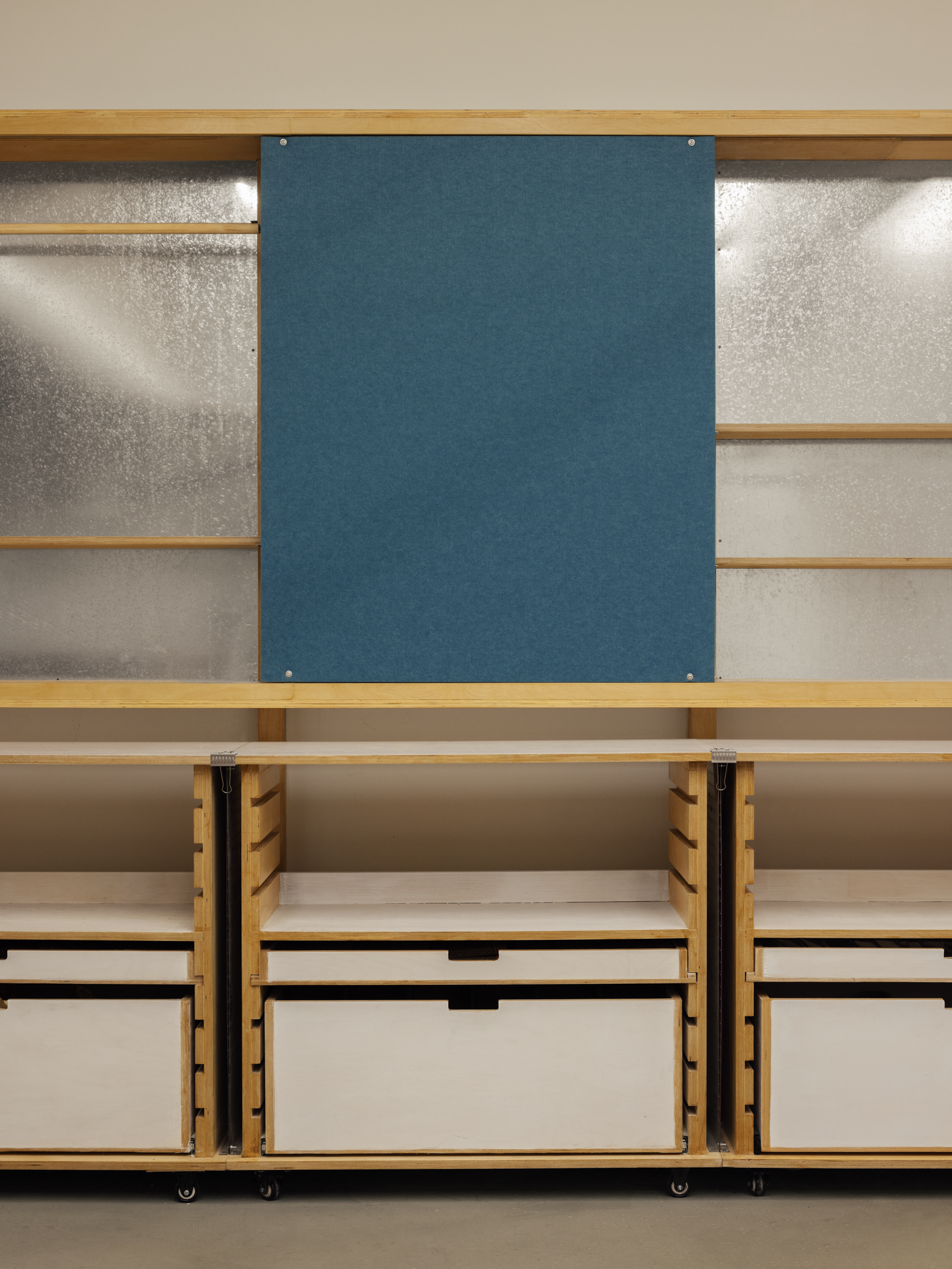
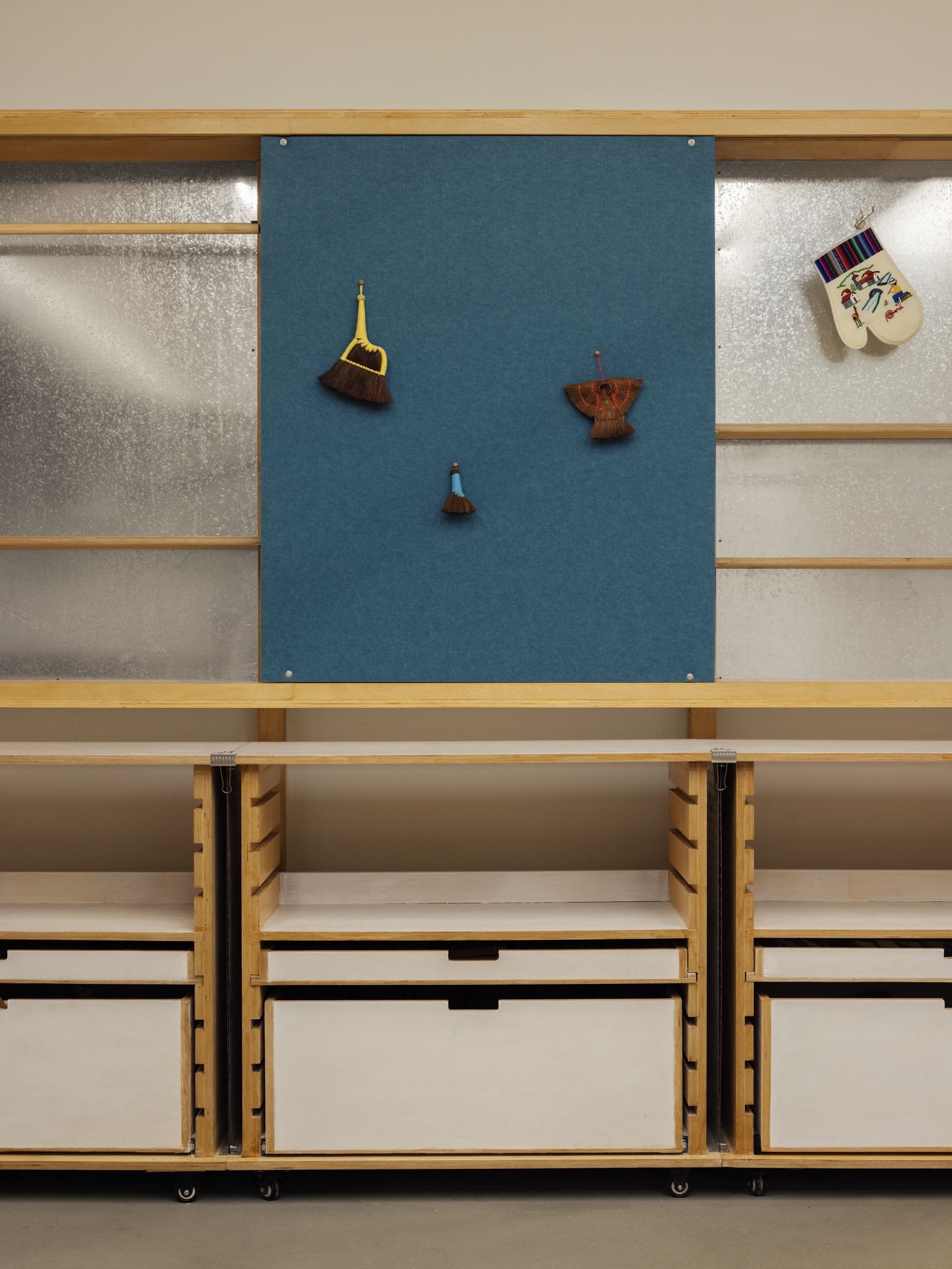
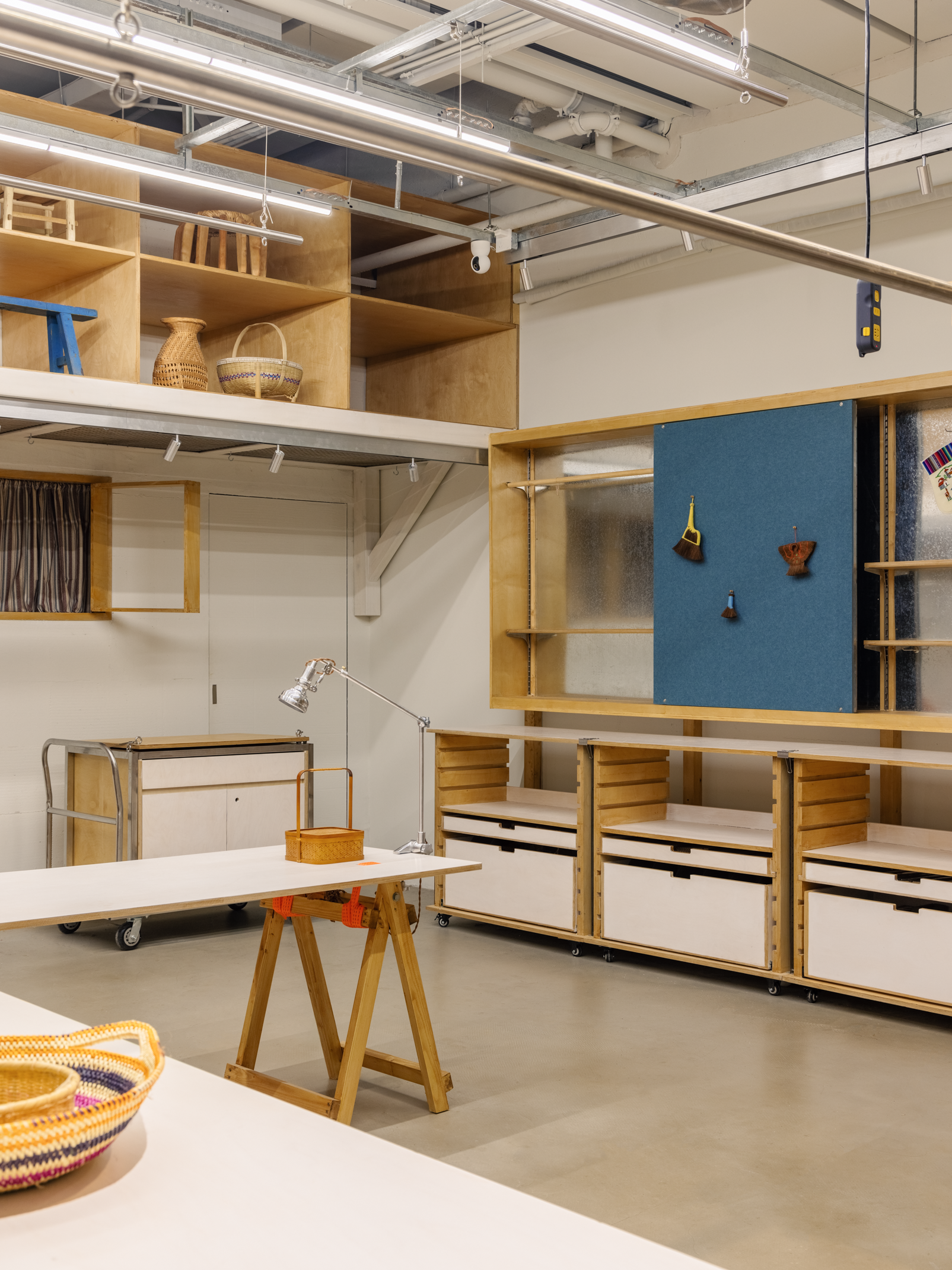
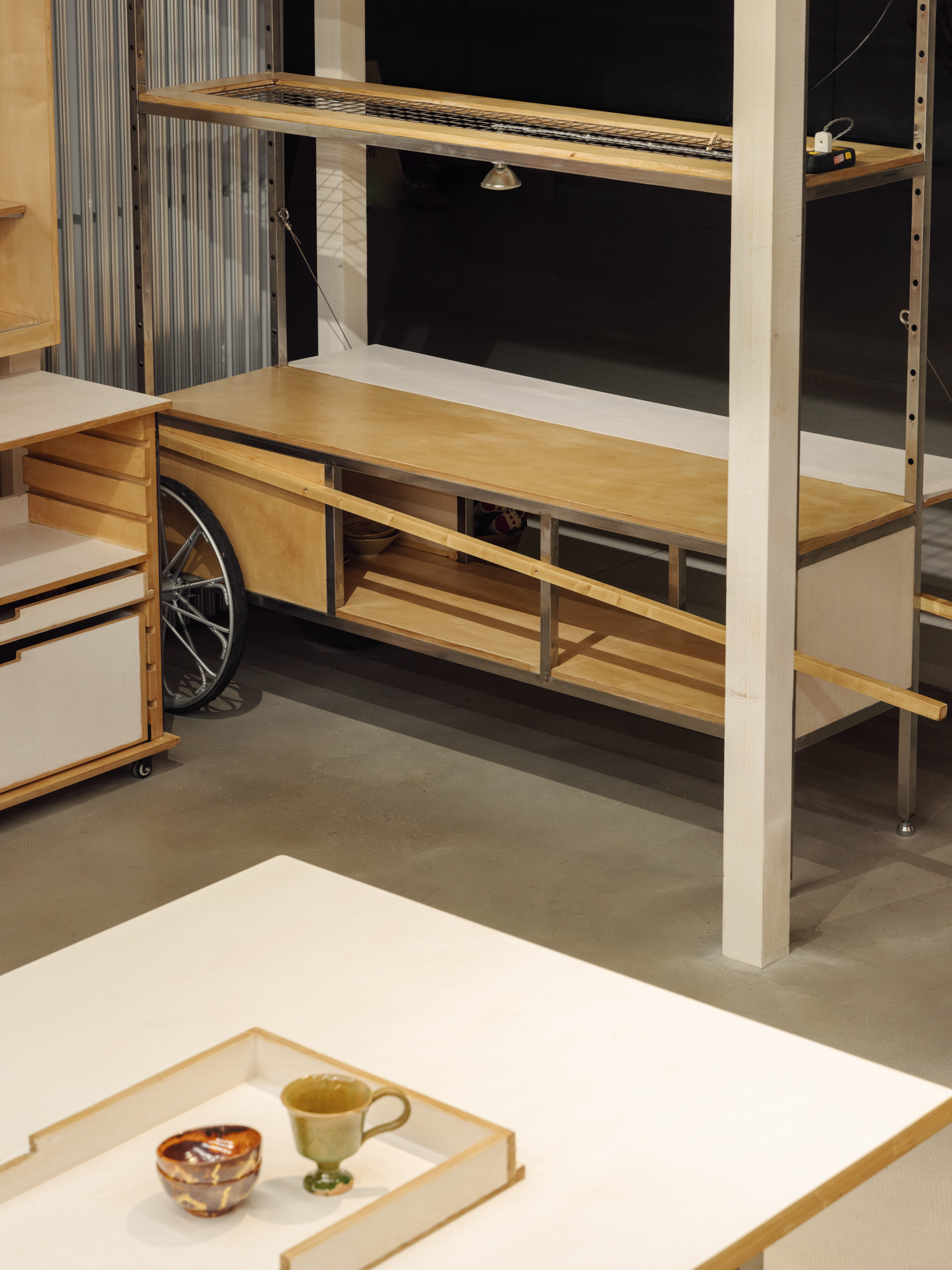
比如平板推车货柜,它的原型其实就是街头卖烟的移动摊位,既方便陈列,也能随时移动。
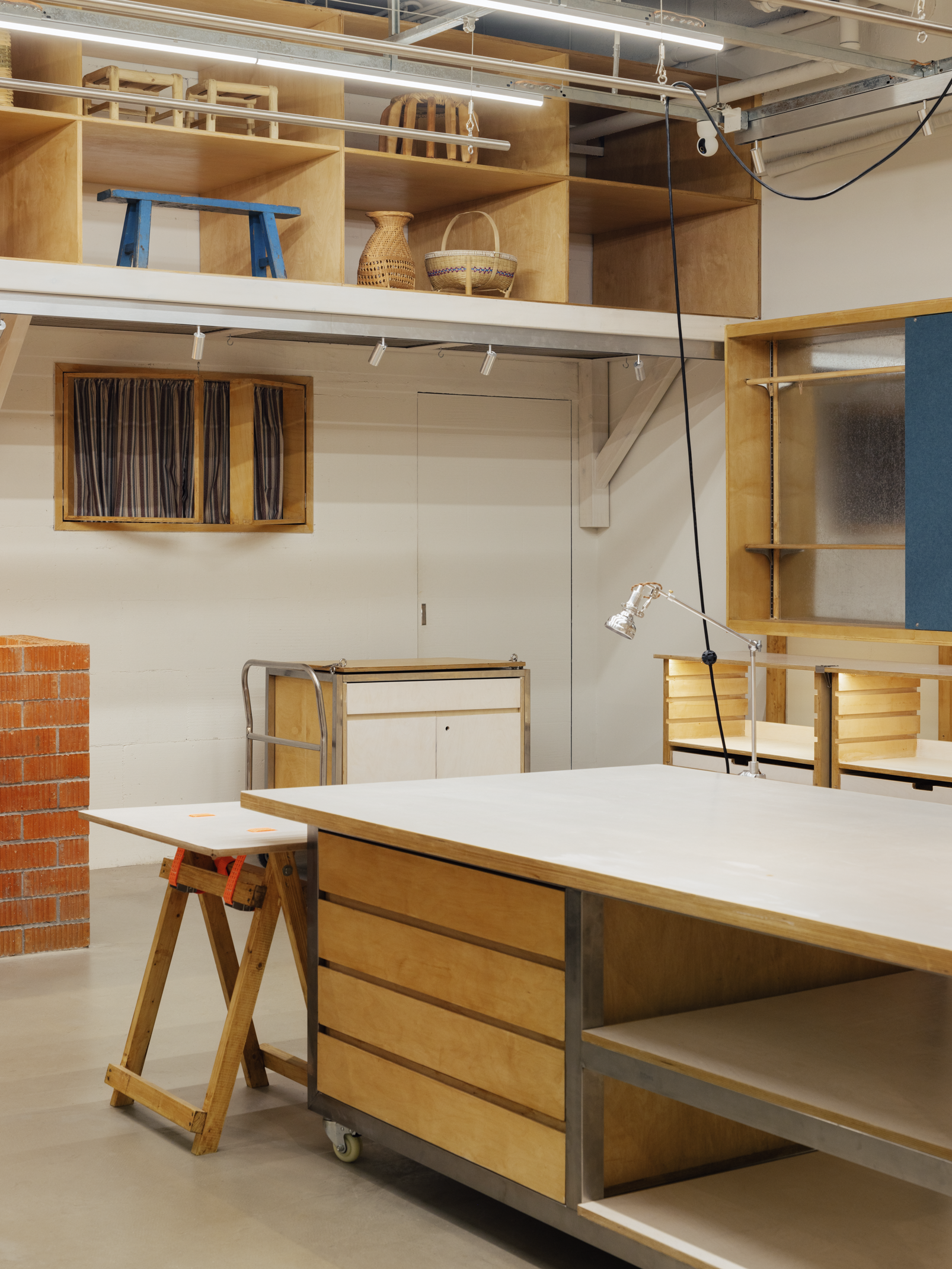
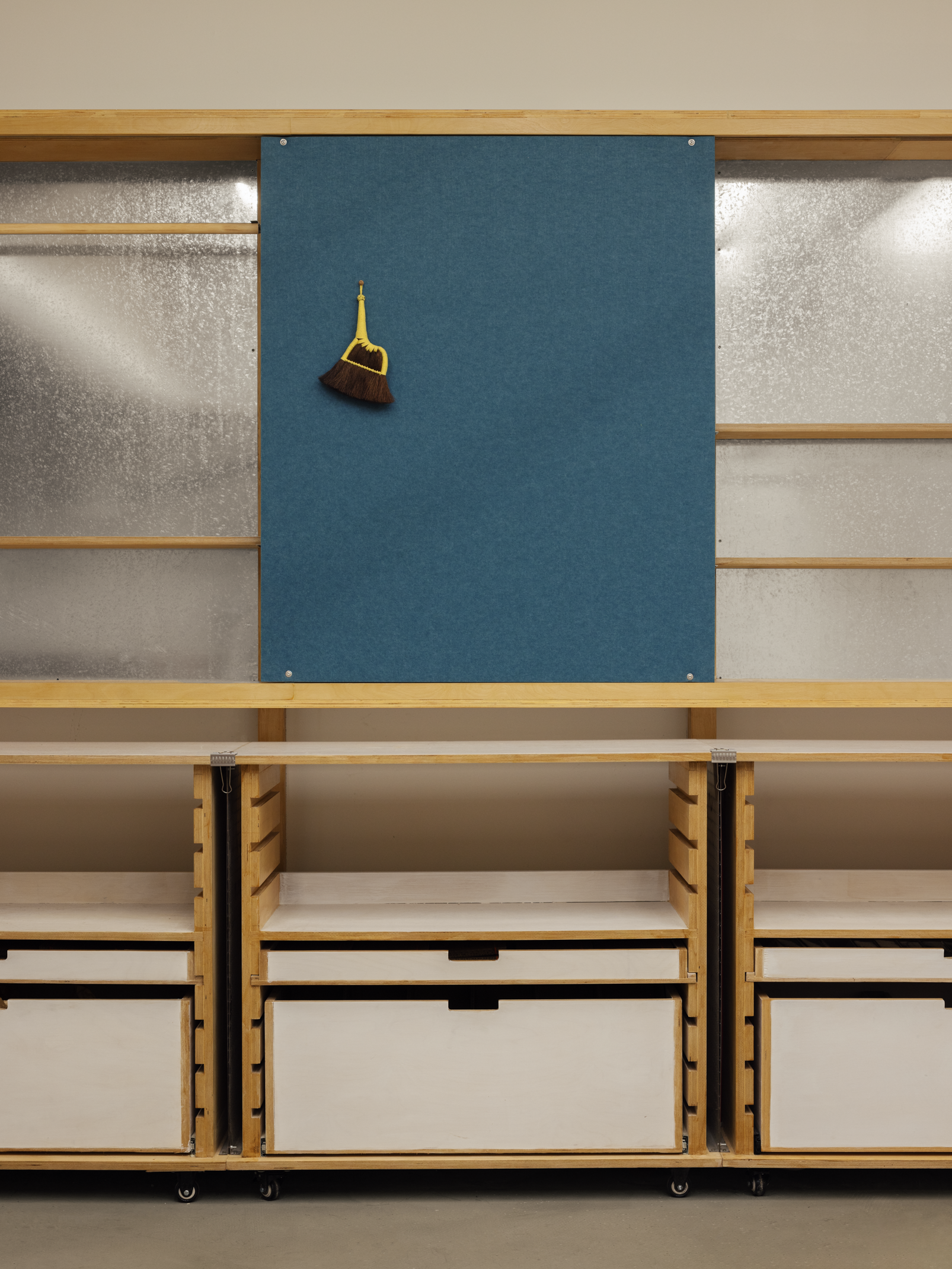
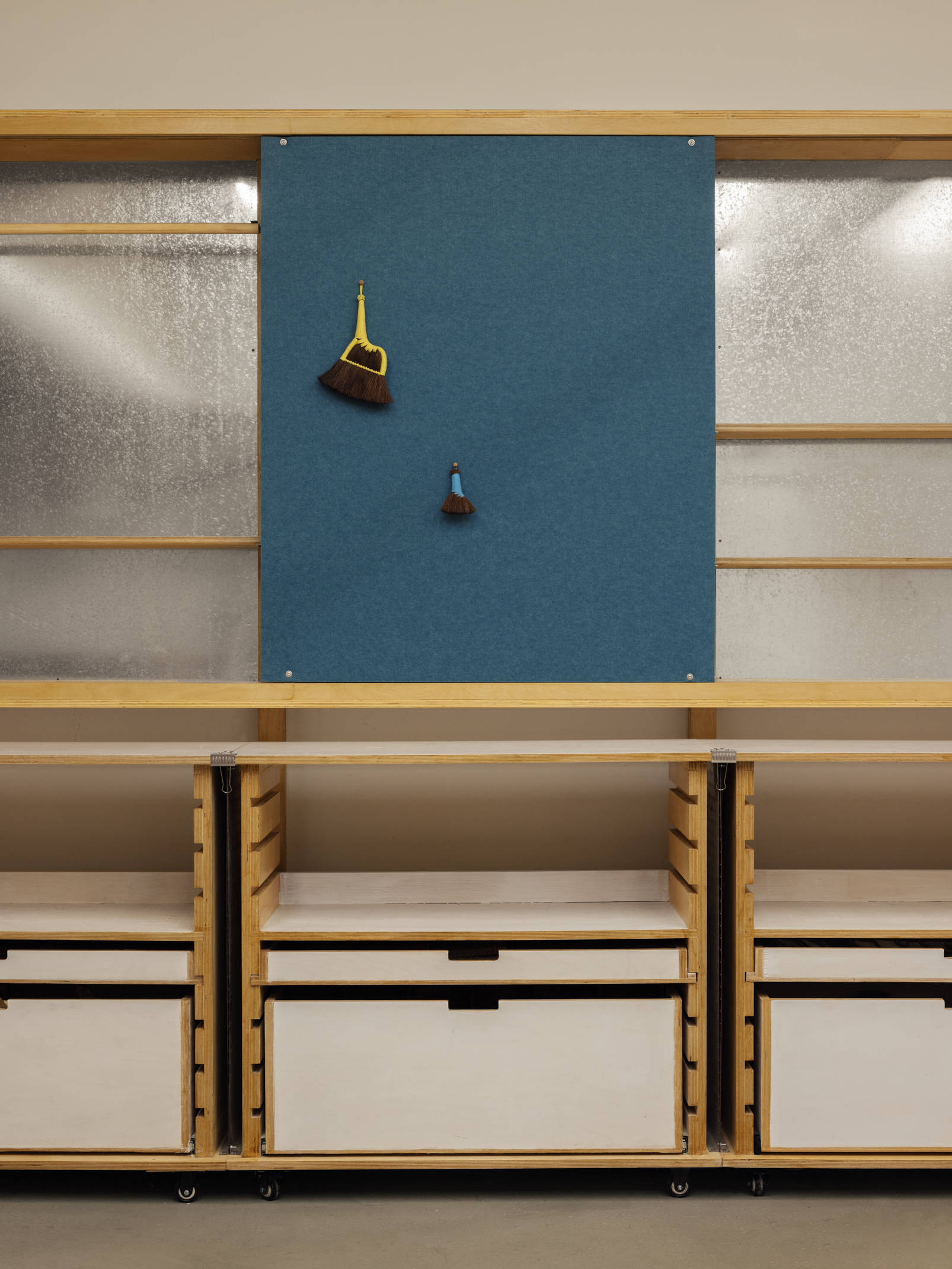
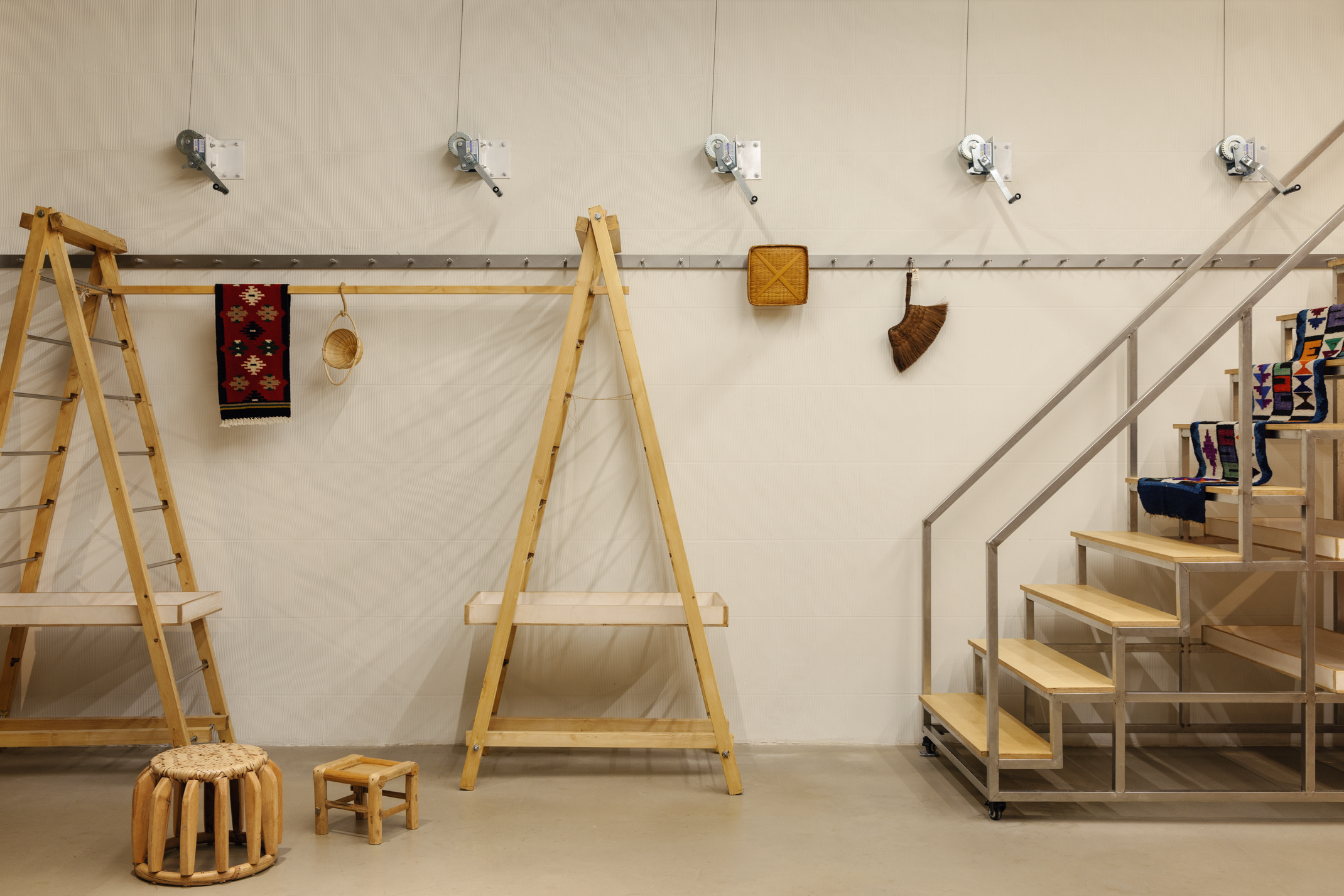
再比如这套看起来像是展示架的结构,它的原理其实是两把木梯中间搭了一根横杆,是我们在工地上、五金店最常见的一种临时搭建。
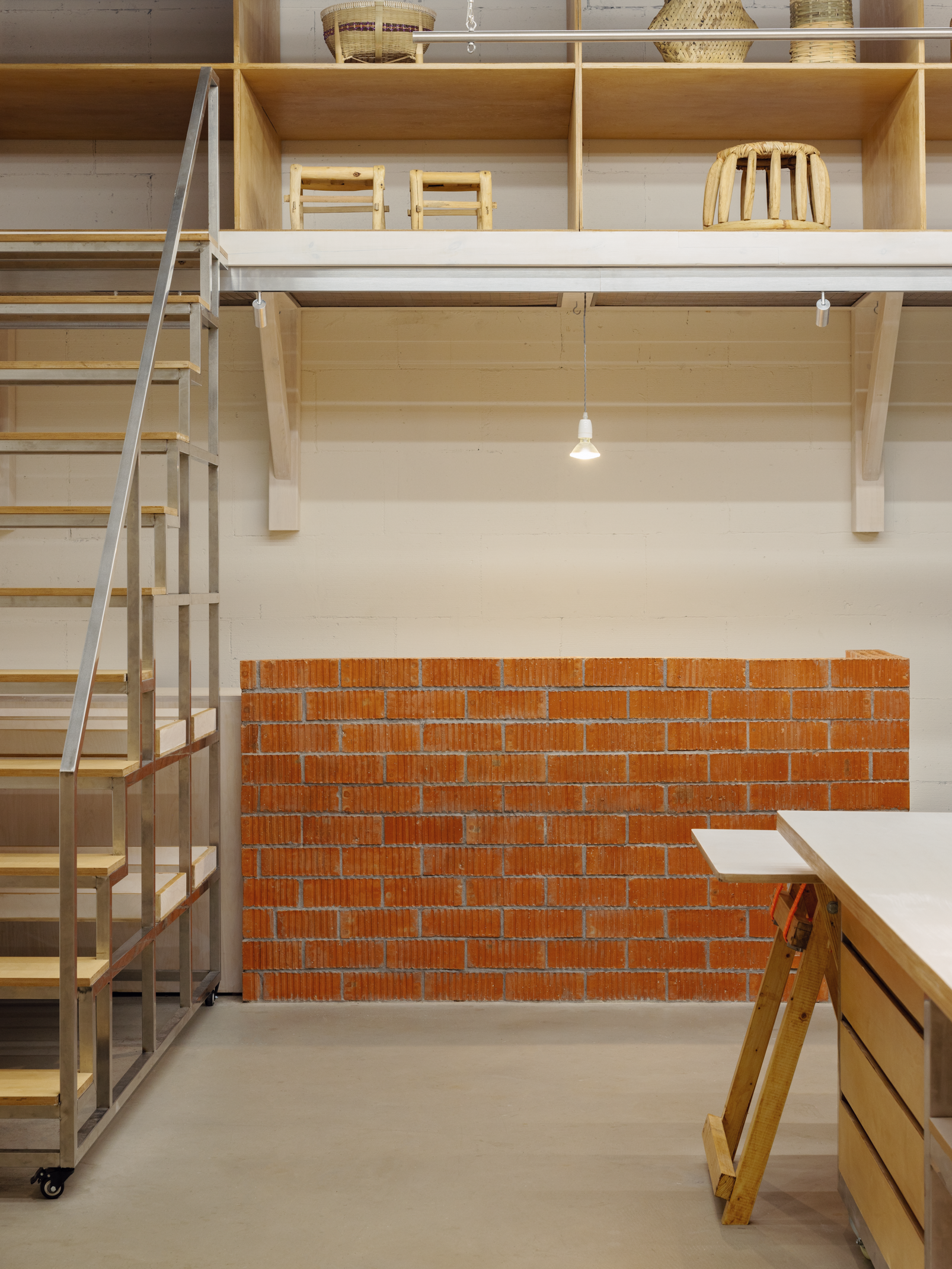
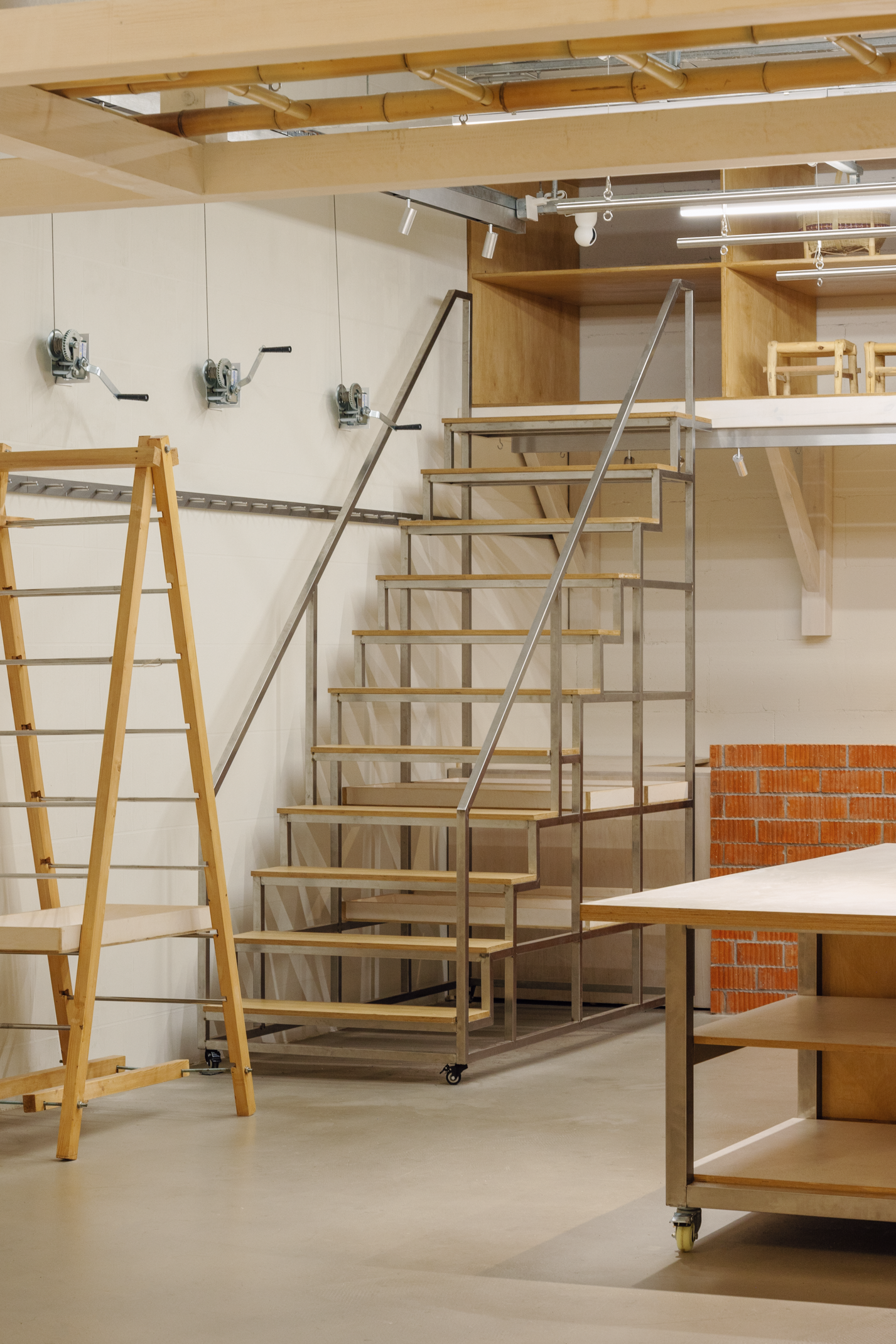
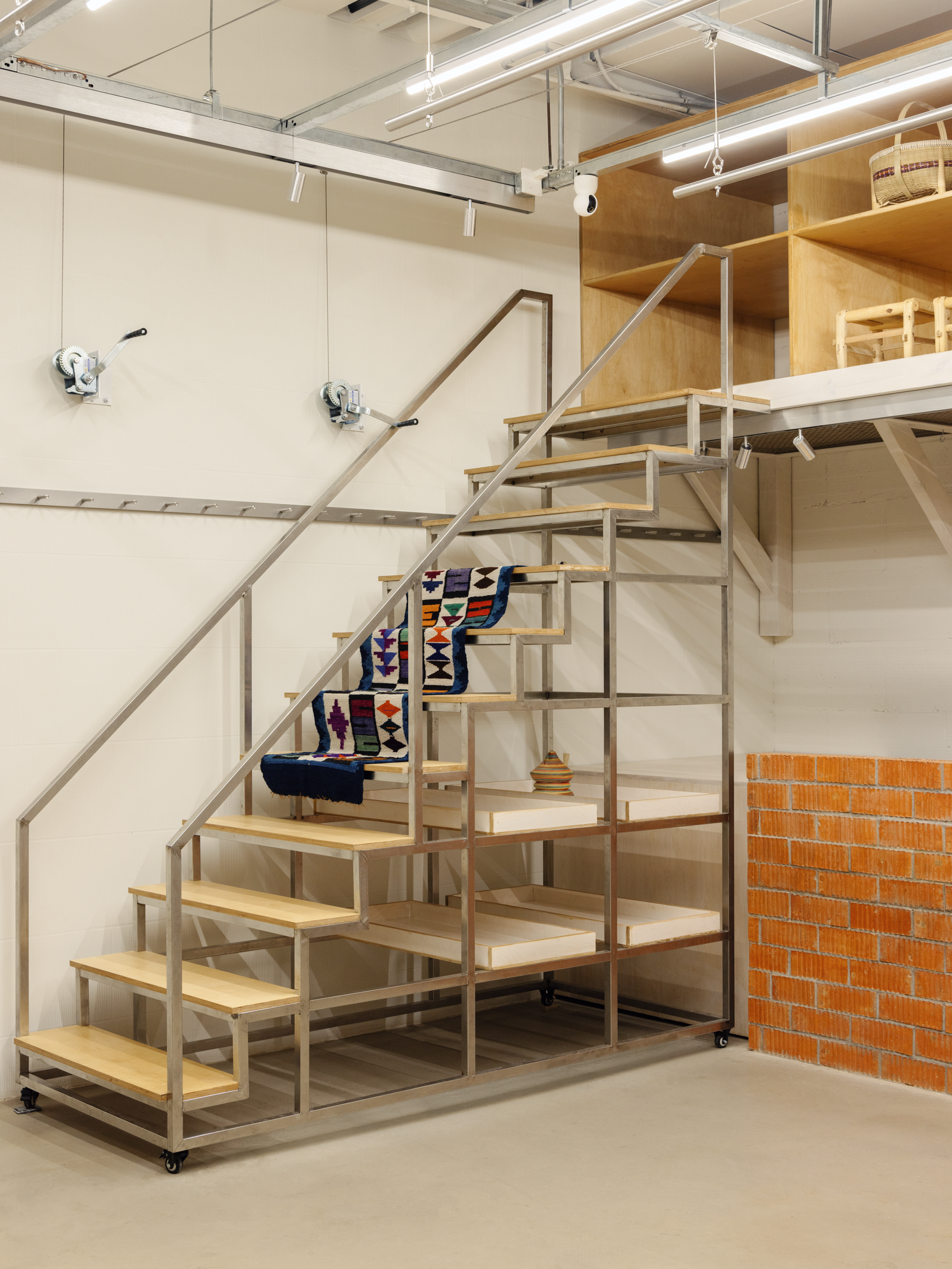
还有我们在成都白马寺附近的纸品一条街发现,每家店都会自己做一个梯子,既能爬上去拿纸,也能侧边收纳小货物,我们把这种结构借用进来,变成一个可以爬高,又可以用作陈列和仓储一体的多功能梯子。
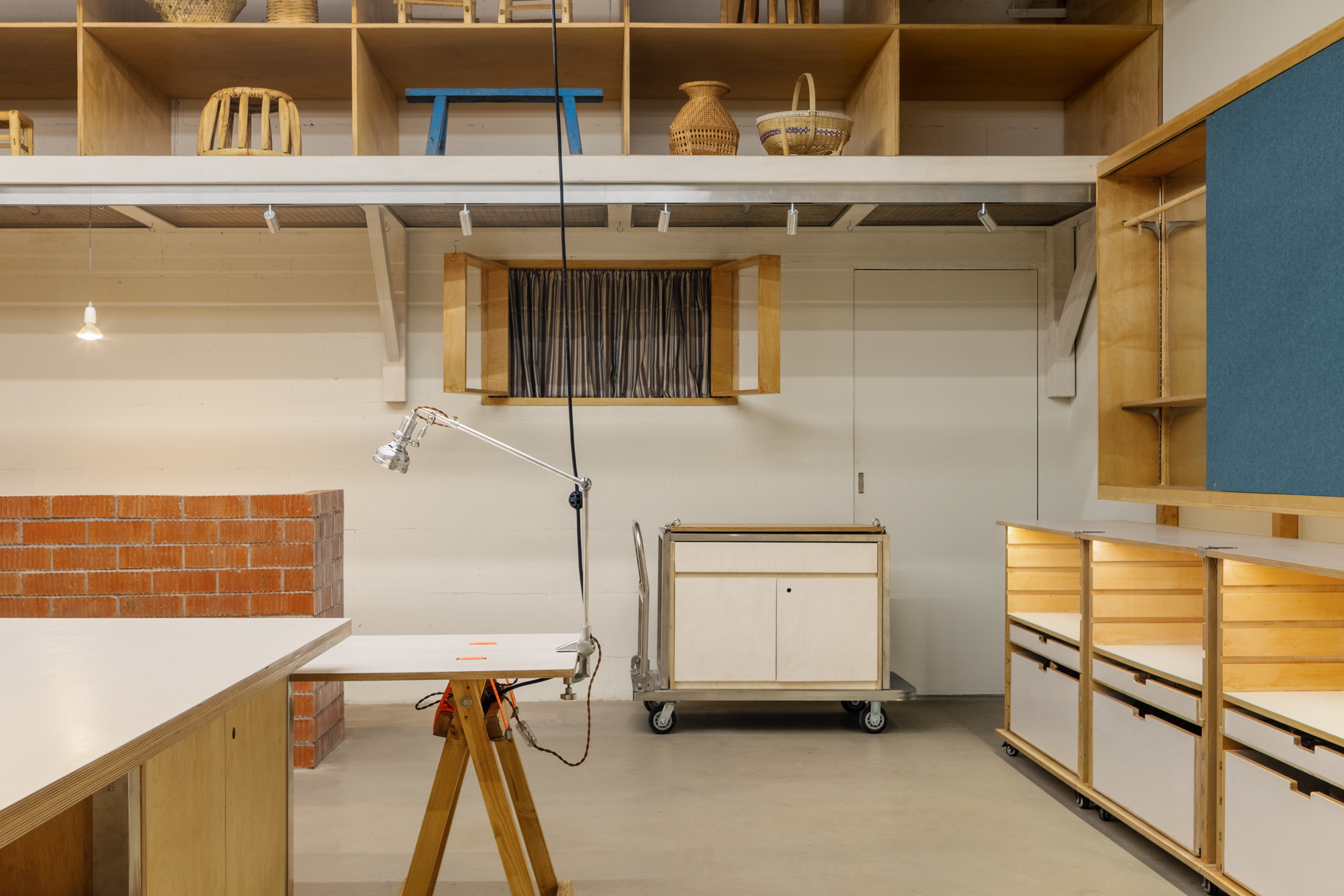
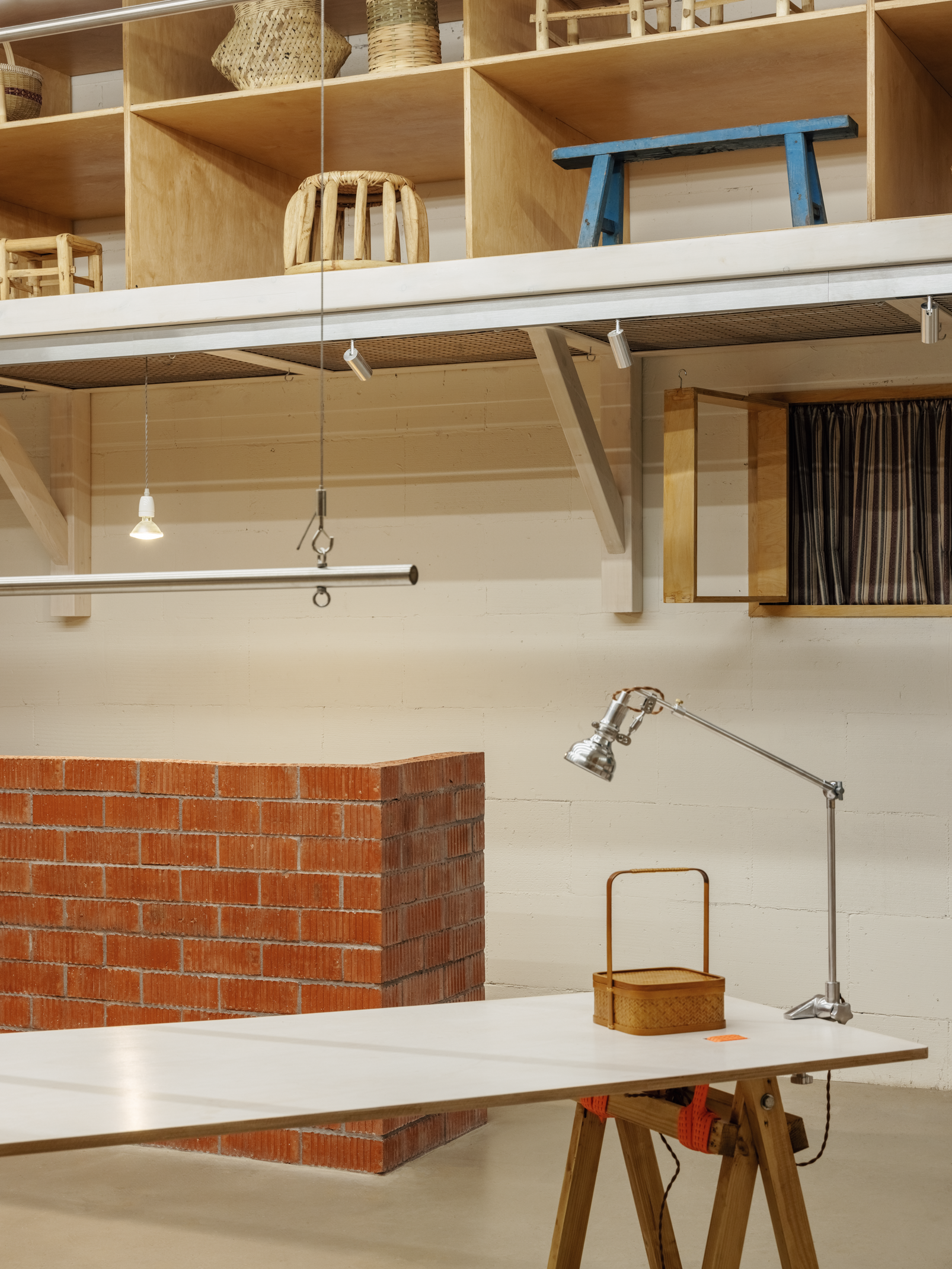
在工厂里看到的那张被剩余材料随意搭起来的工作桌,变成了席地而作中央放置的最大的展陈桌子。
包括我们做的前台,也直接用了红砖裸露的砌筑方式。我们把面层磨了一遍,上了一层透明保护涂层,它立马变得好看耐用,朴实又有巧思。
摊贩、修车铺、快递点、广告店,他们用梯子、轮子、扎带,几分钟就能把问题解决。
我们把这些长期的街头观察变成了一个研究项目,我们叫它走向街头。我们走到大街小巷,走进摊位,去记录他们自己动手造出来的物件,用年份编码给这些街头发现进行归档。
这些东西不“美”,但都充满民间智慧,简单粗暴、成本极低,但在我们街头项目的采访中,常常让这些老百姓都感到疑惑的是:“这算是设计吗?”
于是当我们要在杭州天目里做一家民艺商店的时候,我们没有去设计一整套整齐划一的陈列系统,而是把这些街头办法当作一种设计的语言。席地而作是一家民艺商店,你可以把它理解成是一间有许多民艺手作的杂货铺,我们想,如果这些东西本来就来自民间、来自手作、来自街头,那它们的“家”,也不该是个看上去“装潢得很高级”的空间。它更应该像一个工坊,一个市集,一个摊位。
比如平板推车货柜,它的原型其实就是街头卖烟的移动摊位,既方便陈列,也能随时移动。
再比如这套看起来像是展示架的结构,它的原理其实是两把木梯中间搭了一根横杆,是我们在工地上、五金店最常见的一种临时搭建。
还有我们在成都白马寺附近的纸品一条街发现,每家店都会自己做一个梯子,既能爬上去拿纸,也能侧边收纳小货物,我们把这种结构借用进来,变成一个可以爬高,又可以用作陈列和仓储一体的多功能梯子。
在工厂里看到的那张被剩余材料随意搭起来的工作桌,变成了席地而作中央放置的最大的展陈桌子。
包括我们做的前台,也直接用了红砖裸露的砌筑方式。我们把面层磨了一遍,上了一层透明保护涂层,它立马变得好看耐用,朴实又有巧思。
The street has always been a source of inspiration for us.
Street vendors, repair shops, delivery points, and sign-making stores often solve problems in minutes using ladders, wheels, and cable ties.
These long-term observations of the street gradually became a research project we call “Walking Towards the Street.” We walk through alleys and markets, documenting objects that people build themselves, archiving these discoveries with year-based codes.
These objects are not “beautiful” in a conventional sense, yet they are filled with everyday ingenuity. They are rough, direct, and extremely low-cost. During our interviews for the street project, what often puzzled the people who made them was a simple question: “Is this really design?”
When designing a folk craft store for Onland in Hangzhou’s OōEli, we therefore chose not to create a perfectly uniform display system. Instead, we treated these street strategies as a design language. Onland is a store dedicated to folk crafts—something like a small shop filled with handmade objects. If these objects come from the street, from craft, and from everyday life, then their “home” should not feel overly decorated or refined. It should resemble a workshop, a market, or even a temporary stall.
For example, the flatbed trolley display units originate from the mobile cigarette stalls often seen on the street—they allow goods to be displayed while remaining easily movable.
Another structure that resembles a display rack is actually based on a simple construction method: two wooden ladders with a bar across them, one of the most common temporary setups seen on construction sites and hardware shops.
In a paper wholesale street near Baima Temple in Chengdu, we noticed that every shop builds its own ladder: it allows workers to climb up to reach paper stacks while also providing side storage for smaller goods. We adapted this structure into a multifunctional ladder that allows climbing, display, and storage at the same time.
A work table we once saw in a factory—assembled casually from leftover materials—became the largest central display table in the store.
Even the reception counter was built directly with exposed red brick masonry. After grinding the surface and applying a transparent protective coating, it immediately became durable and visually pleasing—simple yet thoughtful.
Street vendors, repair shops, delivery points, and sign-making stores often solve problems in minutes using ladders, wheels, and cable ties.
These long-term observations of the street gradually became a research project we call “Walking Towards the Street.” We walk through alleys and markets, documenting objects that people build themselves, archiving these discoveries with year-based codes.
These objects are not “beautiful” in a conventional sense, yet they are filled with everyday ingenuity. They are rough, direct, and extremely low-cost. During our interviews for the street project, what often puzzled the people who made them was a simple question: “Is this really design?”
When designing a folk craft store for Onland in Hangzhou’s OōEli, we therefore chose not to create a perfectly uniform display system. Instead, we treated these street strategies as a design language. Onland is a store dedicated to folk crafts—something like a small shop filled with handmade objects. If these objects come from the street, from craft, and from everyday life, then their “home” should not feel overly decorated or refined. It should resemble a workshop, a market, or even a temporary stall.
For example, the flatbed trolley display units originate from the mobile cigarette stalls often seen on the street—they allow goods to be displayed while remaining easily movable.
Another structure that resembles a display rack is actually based on a simple construction method: two wooden ladders with a bar across them, one of the most common temporary setups seen on construction sites and hardware shops.
In a paper wholesale street near Baima Temple in Chengdu, we noticed that every shop builds its own ladder: it allows workers to climb up to reach paper stacks while also providing side storage for smaller goods. We adapted this structure into a multifunctional ladder that allows climbing, display, and storage at the same time.
A work table we once saw in a factory—assembled casually from leftover materials—became the largest central display table in the store.
Even the reception counter was built directly with exposed red brick masonry. After grinding the surface and applying a transparent protective coating, it immediately became durable and visually pleasing—simple yet thoughtful.